There’s something reassuring about turning on a tap and knowing the water is clean, clear, and ready to use. We rely on it for almost everything, from making morning tea to washing vegetables, taking showers, and keeping the house running smoothly. Yet water quality isn’t always as straightforward as it looks. Water can appear perfectly clear while containing unwanted substances, and a strange taste or stubborn stain may point to a problem worth investigating.
For homeowners, the challenge is figuring out what needs attention without spending money on equipment that isn’t necessary. Water quality depends on its source, the surrounding environment, local treatment methods, and the condition of the plumbing. Understanding these factors makes it easier to choose practical solutions and maintain a reliable supply for everyday use.
Why Your Water Source Matters
The first step toward better water is knowing where it comes from. Homes connected to a municipal supply generally receive water that has been treated and monitored according to applicable standards. Even so, its taste and mineral content can vary, and plumbing within an individual property may affect what eventually reaches the tap.
Private wells require a different approach. Because well water doesn’t receive the same routine oversight as a public water supply, homeowners are responsible for arranging appropriate testing and maintaining their equipment. Changes in nearby land use, heavy rainfall, flooding, damaged well components, or septic system problems can affect water quality.
One concern that deserves particular attention is bacteria in well water. Certain bacteria can enter a well through contaminated surface water, defective well construction, or other pathways. Their presence may indicate that disease-causing microorganisms could also reach the water supply. Unfortunately, water contaminated with microbes may have no unusual smell, taste, or appearance.
Regular laboratory testing is therefore essential, especially after flooding, well repairs, or noticeable changes in water quality. Testing for coliform bacteria and E. coli is commonly recommended for private wells, although additional tests may be appropriate depending on local conditions. If contamination is suspected, follow public health guidance about using the water and arranging disinfection or repairs. Boiling water can address many microbial hazards, but it doesn’t remove chemical contaminants.
Recognizing the Signs of Water Quality Problems
Some water issues announce themselves in fairly obvious ways. White deposits around faucets, for example, often indicate elevated mineral content. Orange stains in sinks or laundry may suggest iron, while dark staining can sometimes be associated with manganese. A persistent chlorine-like smell may come from municipal disinfection, and a sulfur-like odor can have several possible causes.
These signs are useful clues, but they’re not definitive diagnoses. Two homes can experience similar staining for entirely different reasons. Likewise, clear water isn’t proof that every aspect of its quality is acceptable.
Pay attention to sudden changes. If water becomes cloudy, develops an unusual odor, or changes color unexpectedly, contact your water provider or a qualified plumbing professional. For a private well, consider whether recent storms, repairs, or nearby construction could have affected the supply.
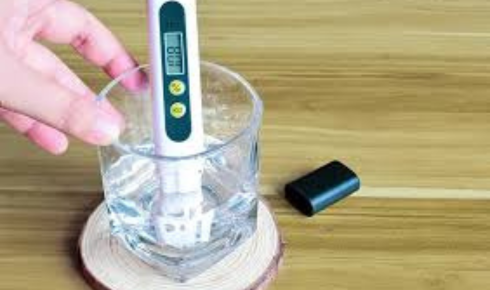
Testing helps replace guesswork with useful information. Depending on the source and symptoms, an analysis may examine hardness, pH, dissolved minerals, metals, nitrate, microorganisms, or other substances. Not every home needs every test, so the best testing plan should reflect the water source and potential risks.
Why One Treatment System Doesn’t Suit Every Household
Walk into a home improvement store or browse water treatment products online, and you’ll find everything from simple pitcher filters to whole-house filtration equipment. The range can be confusing. A system that works well for one family might do very little for another because the underlying water problems are different.
For instance, a standard sediment filter can trap sand, rust particles, and other suspended material, but it won’t necessarily remove dissolved minerals or microorganisms. Activated carbon can improve taste and reduce chlorine when the product is designed for that purpose, yet it isn’t a universal solution for every contaminant. Reverse osmosis can reduce various dissolved substances, but its effectiveness depends on the system design, maintenance, and the contaminants involved.
This is where customized systems can be useful. Rather than installing equipment based on broad promises, homeowners can select treatment technologies according to laboratory results, household water consumption, plumbing layout, and personal priorities.
A household dealing mainly with hard water may benefit from a properly sized softener. A home with confirmed iron problems may need oxidation and filtration. Where microbial contamination is a concern, treatment could involve correcting the source, disinfecting the well, or installing a suitable disinfection system after professional assessment.
The key is to treat the cause, not just the symptom. If a pipe is corroding, for example, installing a drinking-water filter may not address the underlying plumbing problem. A careful evaluation can prevent unnecessary purchases and make long-term maintenance more manageable.
Whole-House Treatment or Drinking Water Filtration?
Another decision is whether to treat all the water entering the property or focus on selected taps.
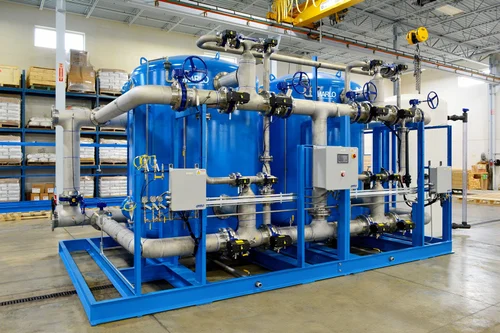
Whole-house treatment systems are installed where water enters the home. They’re often considered when an issue affects multiple fixtures, such as sediment, iron staining, or hardness. Depending on the equipment, they may help protect plumbing and appliances while making daily cleaning less troublesome.
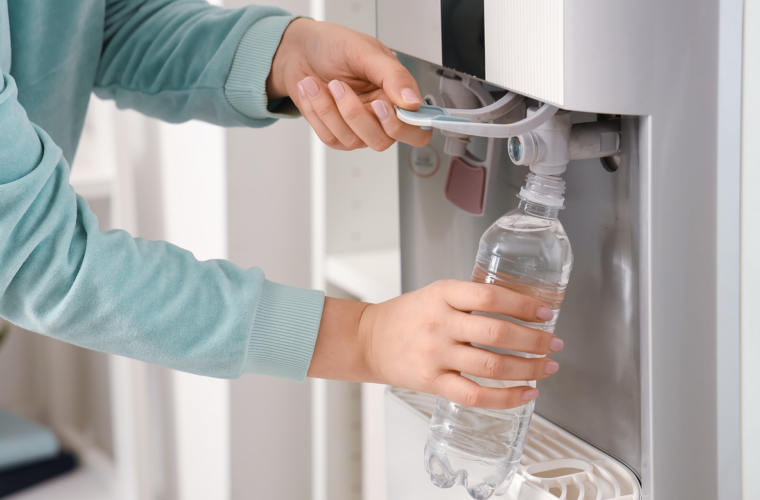
Point-of-use systems work differently. Installed beneath a kitchen sink or at a specific faucet, they focus on water used for drinking and cooking. They’re often convenient when the primary goal is improving taste or reducing particular contaminants at one location.
Neither approach is automatically better. A whole-house system may cost more and require additional space, while a small filter might not provide the broader treatment a property needs. Water testing, household priorities, and the manufacturer’s certified performance claims should guide the decision.
Remember that maintenance matters just as much as installation. Filters need replacement according to the manufacturer’s instructions, ultraviolet systems require appropriate upkeep, and softeners may need salt or other routine service. A neglected system can lose effectiveness even if it worked well initially.
Everyday Habits That Help Protect Water Quality
Treatment equipment is only one part of the picture. A few practical habits can make water management easier and help identify problems sooner.
Private well owners should keep the wellhead secure, maintain proper drainage around the area, and ensure that potential contamination sources are managed appropriately. Septic systems should be maintained according to local guidance. After flooding or well repairs, arrange testing before assuming the water is safe.
For municipal water users, reviewing the supplier’s annual water quality report can help explain common treatment methods and known issues. If an unusual change occurs, report it rather than assuming it’s harmless. Homes with older plumbing may also need an assessment for lead or other materials, particularly when drinking water is used for preparing infant formula.
Keep a simple record of test results, filter changes, repairs, and service visits. It might seem like an unnecessary chore, but those details can be valuable when symptoms return or a professional needs to understand the system’s history.
Making Clean Water a Long-Term Priority
Good water quality isn’t about buying the most expensive equipment or chasing every product advertised as a purifier. It’s about understanding the source, identifying real concerns, and choosing a solution that fits the household.
When water is tested properly and treatment is selected for the problem at hand, families can work toward fresh and healthy water with greater confidence. That may mean a basic filter, a water softener, a well repair, or a more advanced combination of technologies. The right answer will depend on the evidence.
Water is part of daily life in ways we rarely stop to consider. Taking time to understand it can protect appliances, reduce frustrating maintenance problems, and support safer everyday use. Start with reliable information, keep up with testing and maintenance, and make decisions based on what your water actually needs. It’s a sensible approach, and often the most effective one.