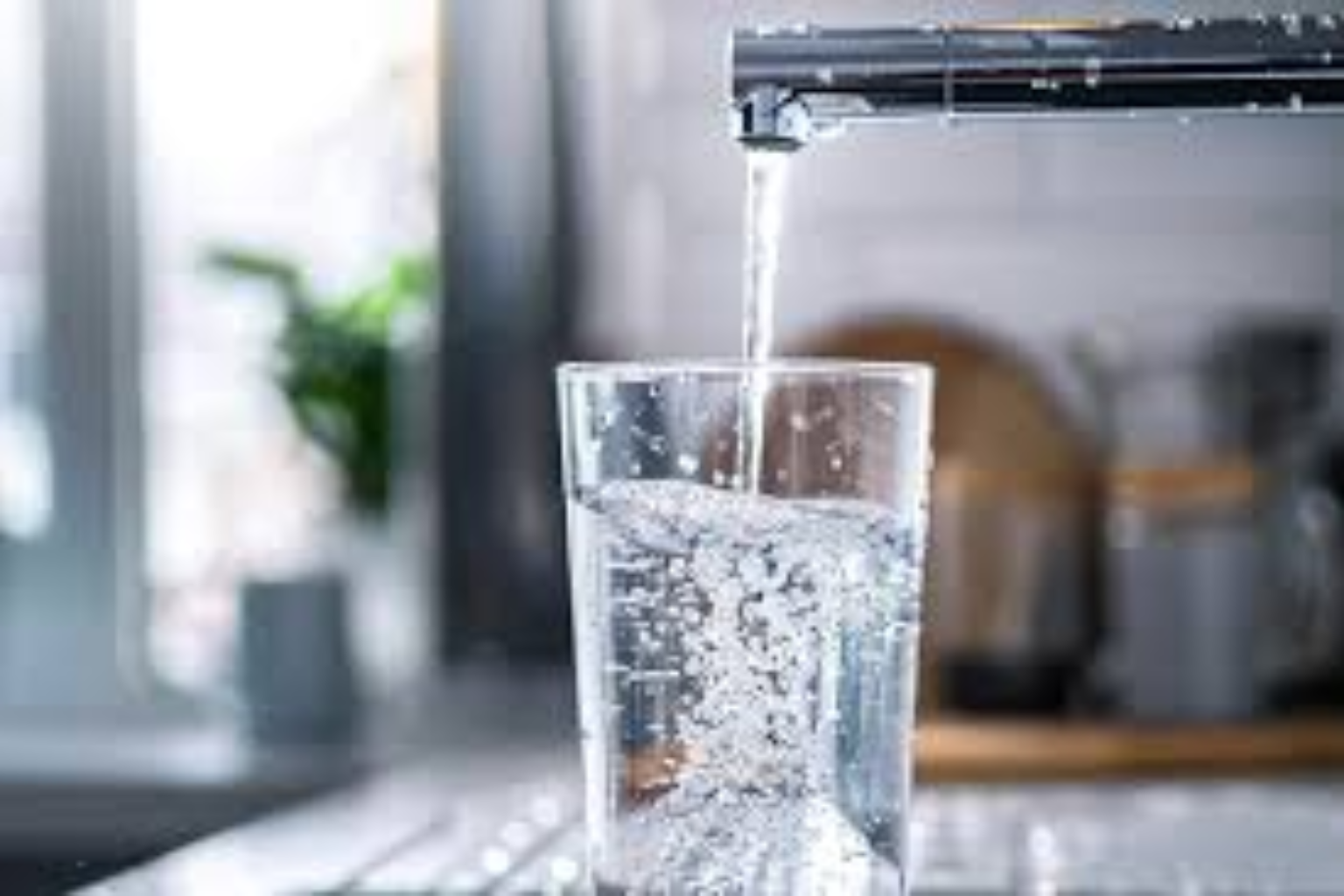
There’s a moment that catches you off guard—the tap runs, and instead of that neutral, almost invisible presence water usually has, there’s a smell. Not strong enough to panic, maybe, but definitely noticeable. You pause. You sniff again. Something isn’t right.
Most people brush it off at first. Maybe it’s the pipes. Maybe it’s temporary. But when that smell lingers, or comes back day after day, curiosity turns into concern.
And honestly, it should.
That Unmistakable Sulfur Smell
If your water carries that distinct rotten egg smell, you’re not imagining things. It’s one of the most common complaints homeowners have, especially in areas that rely on groundwater or wells.
The smell usually becomes stronger when the water is warm—like when you’re showering or washing dishes. Cold water might barely hint at it, but heat seems to amplify everything.
It’s unpleasant, sure. But more importantly, it’s a sign that something specific is present in your water.
What Causes That Smell in the First Place?
In many cases, the culprit is hydrogen sulfide gas. This naturally occurring gas can dissolve into water as it moves through soil and rock layers underground.
On its own, it’s not typically dangerous at low concentrations, but it doesn’t take much to produce that strong, sulfur-like odor. Even tiny amounts can make your water smell off.
Sometimes, the issue isn’t just the water source. It can also develop within your plumbing system or water heater, especially if certain bacteria are present. These bacteria feed on sulfur compounds and produce hydrogen sulfide as a byproduct.
So the smell might not always come from outside—it can form inside your home too.
When It’s More Than Just Sulfur
Not all water odors are the same. While sulfur smells are the most recognizable, other elements can contribute to changes in how your water looks and tastes.
Take iron in water, for example. It doesn’t usually create a strong smell, but it can leave behind reddish or brownish stains on sinks, tubs, and laundry. Over time, it also affects the taste—giving water a slightly metallic edge.
In some cases, iron and sulfur appear together, creating a mix of issues that make water both unpleasant to use and difficult to manage.
It’s not always obvious at first. But once you start noticing patterns—stains, smells, taste—it becomes clear that something is affecting your supply.
Everyday Signs You Might Be Overlooking
Water issues don’t always announce themselves loudly.
Sometimes it’s the faint odor when you turn on the tap. Sometimes it’s the way your laundry comes out with unexpected stains. Or how your dishes don’t look quite as clean as they should.
Even your morning shower can feel different—not necessarily uncomfortable, but not as fresh as you’d expect.
These are small signals. Easy to ignore. But they add up over time.
Why It’s Worth Paying Attention
It’s tempting to treat these issues as minor inconveniences. After all, the water is still flowing, still usable.
But water quality affects more than just comfort. It influences how your appliances perform, how your plumbing holds up, and how much effort you need to keep things clean.
And while odors like hydrogen sulfide aren’t usually harmful at low levels, they can make daily routines less enjoyable—and that matters more than we often admit.
What You Can Do About It
The first step is understanding what’s actually in your water. A simple water test can reveal whether you’re dealing with sulfur, iron, or something else entirely.
From there, solutions become clearer.
For sulfur-related odors, aeration systems or specialized filters can remove the gas before it reaches your taps. If bacteria are involved, disinfecting the system might be necessary.
Iron issues often require filtration systems designed to capture and remove those particles before they settle on surfaces or affect taste.
There’s no one-size-fits-all fix, but there are effective options once you know the cause.
Small Changes, Noticeable Difference
When the issue is addressed, the difference is surprisingly immediate.
The smell disappears. Water tastes cleaner. Surfaces stay clearer. Even something as simple as washing your hands feels… normal again.
It’s one of those changes you don’t fully appreciate until you experience it. Because for a while, you’ve been adjusting without realizing it.
Letting Water Be What It’s Supposed to Be
At its best, water doesn’t demand attention. It’s neutral, reliable, almost invisible in daily life.
When something changes—when it smells, tastes, or behaves differently—it disrupts that sense of ease. And even if the problem isn’t severe, it’s enough to make you pause.
The good news is, most of these issues are manageable. With the right approach, you can bring things back to that effortless state.
And when you do, you’ll probably stop thinking about your water altogether.
Which, in a way, is exactly how it should be.