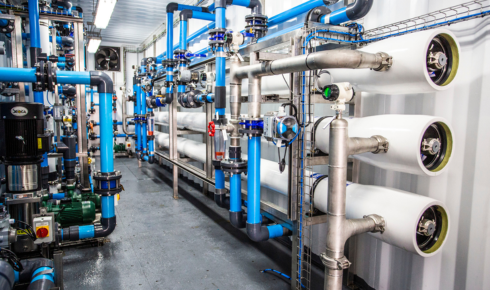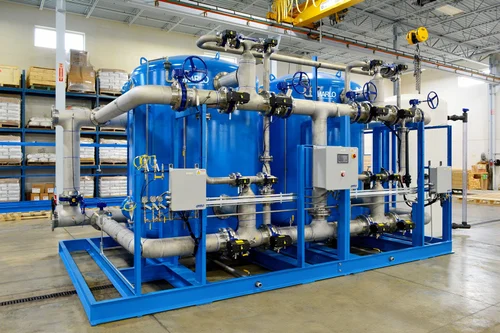
There’s nothing quite like turning on the tap and finding that everything works as it should. The water flows at a comfortable pressure, the shower feels refreshing, and there are no stubborn white deposits collecting around the fixtures. Most people don’t think about the equipment behind these everyday comforts until something goes wrong. Then, suddenly, water quality and system maintenance become a lot more important.
A reliable home water setup often involves more than a filter under the kitchen sink. Depending on the water source and the property’s plumbing, you may need treatment equipment, a pump, a storage tank, or regular supplies to keep everything working properly. Understanding how these components fit together can save money, reduce frustration, and help prevent avoidable breakdowns.
Understanding Water Softeners and Conditioners
Hard water is a common concern in many households, particularly those that rely on groundwater. It contains dissolved minerals, mainly calcium and magnesium, which can leave chalky deposits on taps, shower screens, and appliances. Over time, scale buildup may affect water heaters and other equipment that regularly heats water.
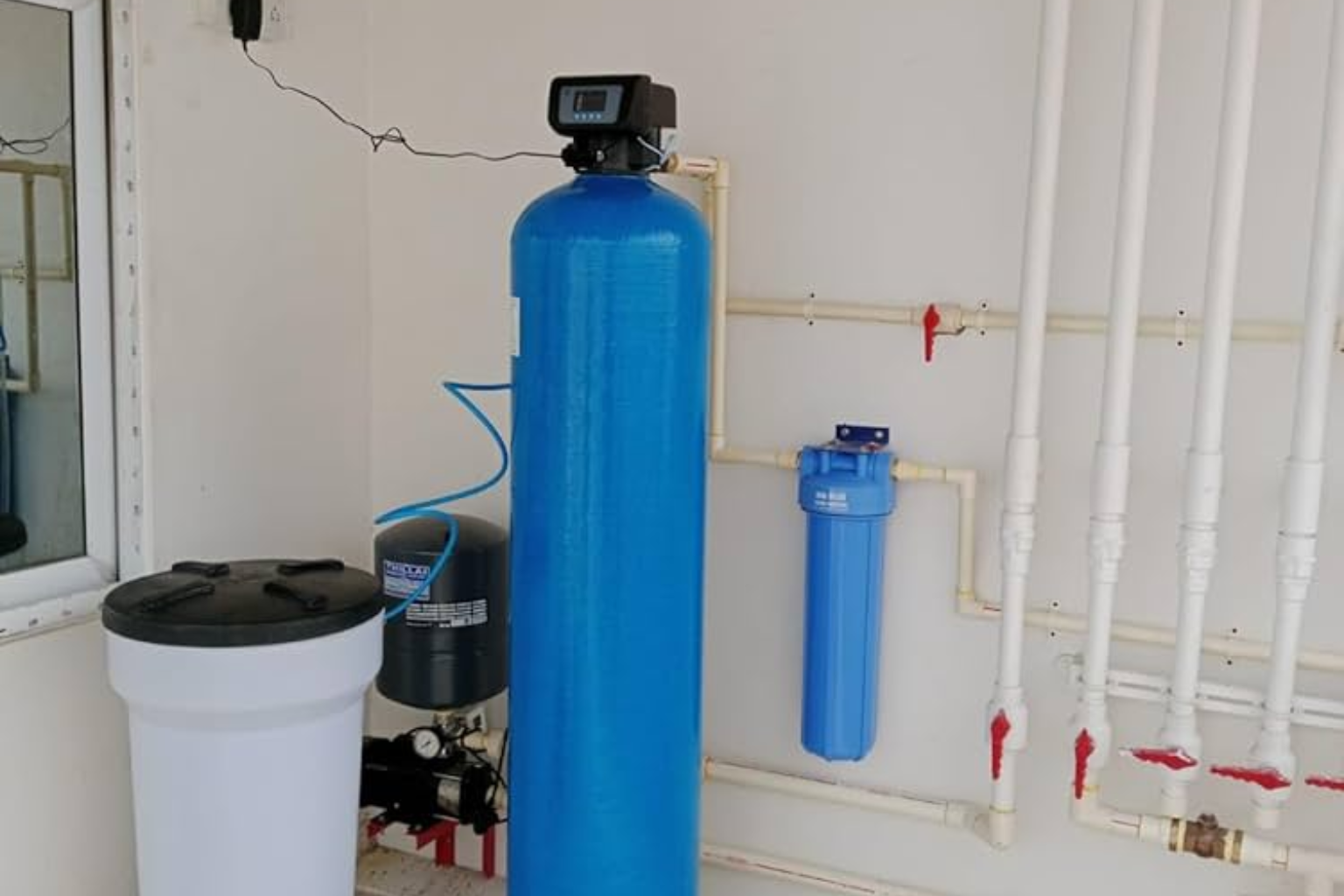
This is where water softeners & conditioners can make a difference. Traditional water softeners use ion exchange to reduce hardness minerals, helping limit scale formation and making soap easier to lather. Water conditioners, however, cover a broader range of technologies. Some aim to change how minerals form deposits without removing the minerals themselves.
That distinction matters when you’re comparing products. A salt-based softener and a salt-free scale-control device don’t necessarily produce the same results, even if their marketing sounds similar.
Before choosing either option, have your water tested for hardness and consider how much water your household uses each day. A large family with several bathrooms may need a different system from a small apartment. Proper sizing helps maintain performance without wasting water, salt, or energy.
It’s also worth thinking about maintenance from the beginning. Traditional softeners need an adequate supply of suitable salt, periodic checks, and occasional servicing. Conditioners may have different requirements, such as replacing media or checking system components. Neither type should be treated as a fit-and-forget purchase.
Why Your Home May Need a Pump and Storage Tank
Water quality is only part of the picture. Even treated water isn’t especially useful if it arrives at the tap with inconsistent pressure or an unreliable supply.
Homes that depend on private wells, borewells, rooftop tanks, or other storage arrangements may need equipment to move water where it’s required. In these situations, pump, pressure & storage tank systems can help deliver a more dependable supply.
A pump moves water from its source or storage location. A pressure tank, where used, helps maintain pressure and can reduce how frequently the pump switches on and off. A storage tank holds water for later use, which can be especially helpful when the incoming supply is intermittent.
These components serve different purposes, so choosing them together requires some planning. A pump that’s too small may struggle during periods of heavy demand, while an oversized unit can waste electricity and place unnecessary strain on the plumbing. Tank capacity also matters. A household with frequent water interruptions may need more storage than one with a steady municipal supply.
Pay attention to the installation environment, too. Pumps should be installed according to the manufacturer’s instructions, with suitable electrical protection and dry, secure placement where required. Storage tanks need proper covers, cleaning, and protection against contamination.
If your pump starts and stops unusually often, makes unfamiliar noises, or delivers fluctuating pressure, don’t ignore it. The problem could involve the pressure settings, tank condition, a leak, or another component. A qualified technician can diagnose the cause before a small fault becomes an expensive repair.
Maintenance Is Easier When You Have a Routine
Water treatment equipment tends to work quietly in the background, which is both a blessing and a potential problem. Because it doesn’t demand daily attention, maintenance can slip down the to-do list. Then a filter becomes overdue for replacement or a softener runs low on salt just when you need it most.
A simple schedule makes the job more manageable. Check filter replacement dates, inspect visible connections for leaks, and follow the manufacturer’s instructions for cleaning and servicing. If you use a private well, arrange water testing at appropriate intervals and after events that could affect the supply.
Regular maintenance, salt delivery, & ongoing support can help keep your treatment equipment operating as intended. Having a dependable supplier or service professional also makes it easier to obtain the correct replacement parts and address problems before they disrupt daily routines.
For softener owners, check the brine tank according to the manufacturer’s guidance and use the recommended type of salt. If salt bridges or hardened deposits develop, the system may not regenerate correctly. Don’t simply add more salt and assume the problem has disappeared.
Filters need similar attention. A clogged filter can reduce water flow, while a neglected treatment unit may no longer perform as expected. Follow the specified replacement interval, taking account of actual water conditions and usage.
Keep a basic record of service visits, filter changes, and repairs. It doesn’t need to be complicated. A note on your phone or a simple calendar reminder is often enough to prevent missed maintenance.
Choosing Equipment That Works Together
One of the most common mistakes homeowners make is purchasing individual components without considering how they’ll operate as a system.
For example, a water softener needs to be sized for the expected flow rate and demand. A pump must supply enough water for the treatment equipment to function correctly, while storage arrangements should provide adequate capacity without compromising hygiene. If a filter is too restrictive for the available pressure, the result may be disappointing even when the filter itself is perfectly suitable.
Start by identifying your water source and testing the water for relevant concerns. Hardness, sediment, iron, and certain dissolved contaminants may require different treatment approaches. If the property has low pressure or an intermittent supply, assess those issues separately rather than expecting filtration equipment to solve them.
Ask installers to explain how each component fits into the complete setup. They should be able to discuss flow rates, pressure requirements, maintenance intervals, and expected operating costs in plain language.
It’s also sensible to compare the availability of replacement filters, membranes, pump parts, and other consumables. A system can look attractive on paper but become inconvenient if essential components are difficult to obtain locally.
The Cost of Ownership Matters More Than the Sticker Price
Budgeting for water equipment means looking beyond the initial purchase. Installation, electricity, replacement media, salt, servicing, and eventual repairs all contribute to the total cost.
A cheaper pump might consume more energy, while an inexpensive filter could require frequent replacement. On the other hand, the most expensive model isn’t automatically the best choice for your home. What matters is whether the equipment suits your water conditions and household demand.
Ask about warranty coverage, service availability, and the expected lifespan of important components. If a supplier offers a maintenance package, check exactly what’s included and whether consumables cost extra.
For households managing several pieces of equipment, combining service visits where practical may also save time. Just make sure that essential inspections aren’t skipped to reduce costs.
A Little Attention Goes a Long Way
Reliable water at home depends on several things working together: appropriate treatment, dependable pressure, sensible storage, and regular care. A water softener won’t solve every quality issue, and a pump won’t correct contamination, but the right combination can make a noticeable difference to everyday comfort.
Begin with the problems you’re actually experiencing. Test the water, check your supply and pressure, and choose equipment based on real requirements rather than assumptions. Then keep up with routine servicing and address unusual changes promptly.
The best water system isn’t necessarily the biggest or most complicated one. It’s the setup that delivers the quality, flow, and reliability your household needs without creating unnecessary expense. With a little planning and consistent attention, you can keep your water supply working smoothly for years to come.