Water quality can be one of those household topics that stays in the background until something changes. Maybe the coffee suddenly tastes different. Perhaps there’s a white film around the faucet, or the showerhead seems to collect scale overnight. For homeowners using a private well, there may be other concerns altogether.
The good news is that water treatment doesn’t have to be confusing. Once you understand what you’re dealing with, choosing the right approach becomes much more straightforward.
Start by Understanding Your Water
Every home has its own water story. Municipal supplies, private wells, older plumbing, and local geology can all affect water quality. Even neighbors living on the same street can experience slightly different issues.
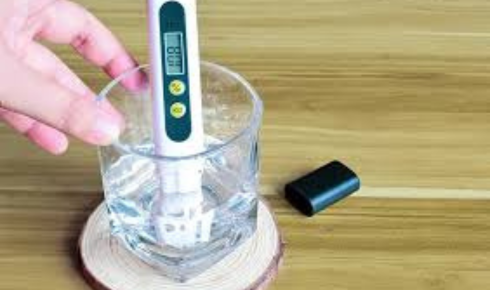
Before buying a filtration system, it’s worth finding out what is actually in your water. A basic water-quality assessment can reveal hardness, sediment, minerals, or other characteristics that may influence the treatment you need.
This simple step can prevent a common mistake: buying equipment first and figuring out the problem afterward.
Drinking Water Needs Can Be Different
The water used for washing clothes doesn’t necessarily need the exact same treatment as the water you drink. For many households, the kitchen is the place where additional filtration matters most.
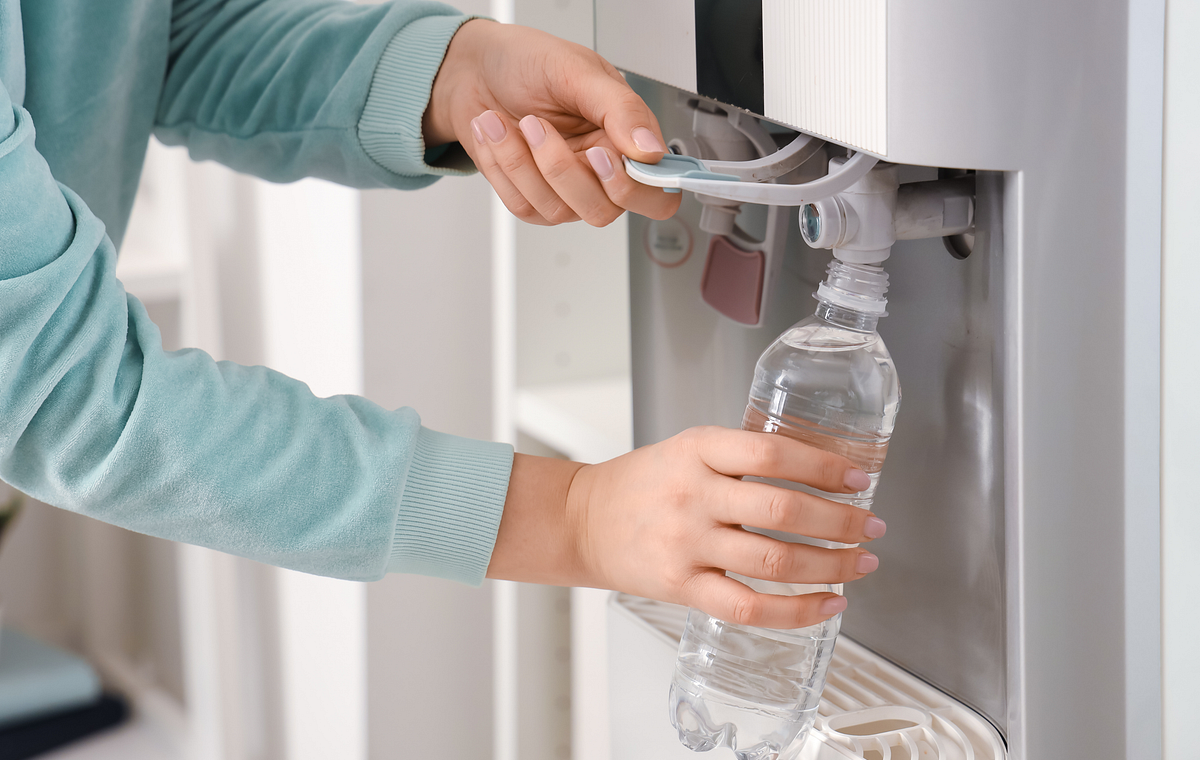
Dedicated drinking water systems can provide an extra level of treatment at a convenient point of use. Depending on the technology, these systems may be designed to improve taste, reduce certain contaminants, or provide more extensive filtration.
For someone who fills several bottles every morning or cooks at home regularly, having good-quality filtered water available can quickly become something they appreciate without even thinking about it.
What Causes Scale Around the House?
Scale is usually associated with hard water, which contains minerals such as calcium and magnesium. Over time, those minerals can leave deposits on faucets, showerheads, water heaters, and appliances.
You might notice white spots on glasses or a crusty buildup around the kitchen tap. It can be frustrating, especially when you’ve just cleaned everything.
Traditional water softeners are one way to address hardness, but they’re not the only approach worth discussing. Homeowners should consider the actual water chemistry and what they want to accomplish before choosing equipment.
An Alternative Approach to Scale Control
Some households want to reduce the effects of scale without using conventional salt-based softening. That’s where sodium-free scale prevention can enter the conversation.
These systems are generally designed to help control how hardness minerals behave rather than removing the minerals from the water in the same way a traditional softener does. That distinction matters.
If your goal is specifically to reduce scale formation while keeping the mineral content of the water largely unchanged, a scale-prevention technology may be worth investigating. However, homeowners should understand that preventing scale is not identical to softening water. Different systems work in different ways, so product claims should be reviewed carefully.
Well Water Comes With Its Own Considerations
Private wells give homeowners a level of independence, but they also come with responsibility. Unlike municipal supplies, well water quality isn’t managed by a public water utility on your behalf.
Changes in groundwater conditions, flooding, nearby land use, or problems with the well itself can influence water quality. Some wells may have elevated iron or manganese, hardness, sediment, bacteria, or other concerns.
This is why well water treatment should begin with testing rather than assumptions. A treatment system should be selected according to what the water actually contains.
Testing Can Save You From the Wrong Purchase
Water that looks perfectly clear isn’t necessarily free from every potential contaminant. At the same time, cloudy water doesn’t automatically mean something dangerous is present.
Testing provides useful context.
If you have a private well, periodic testing is particularly important. The exact tests needed can depend on local conditions and the history of the property. If the water quality suddenly changes, that’s another good reason to investigate.
Once the results are available, a water professional can help explain which treatment options make sense and which ones may be unnecessary.
Think About Maintenance Before Installation
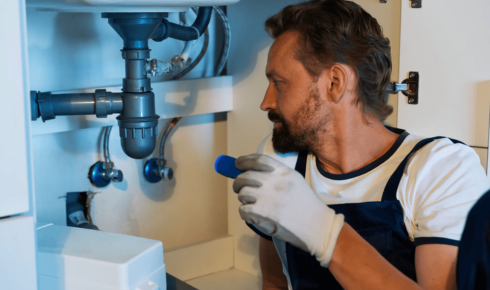
One detail that sometimes gets forgotten during the buying process is maintenance. Every water treatment system has some form of upkeep.
Filters need to be replaced. Certain systems require cleaning. Components may eventually wear out. If a system uses a membrane, that membrane will have a service life too.
Before installation, ask what maintenance will look like over the next several years. Find out how often replacement parts are needed and what they cost.
A system that looks inexpensive at first can become less attractive if its long-term maintenance is difficult or expensive.
The Right Solution Depends on the Home
There’s no universal answer when it comes to water treatment. One family may care mainly about drinking-water taste. Another may be tired of hard-water scale. A well owner may have several water-quality concerns that require a combination of technologies.
That’s why a thoughtful approach works best. Test the water, identify the real problem, consider how your family uses water, and then compare treatment options.
You don’t necessarily need the biggest system on the market. You need a system that does the job you expect it to do.
Better Water Starts With Better Information
Water treatment isn’t really about chasing the newest gadget or buying the most expensive equipment. It’s about understanding what comes into your home and making sensible choices from there.
Whether you’re trying to improve drinking water, reduce scale, or manage the challenges that come with a private well, the first step is always the same: learn more about your water.
Once you have that information, the rest becomes much easier. And when the right treatment system is properly maintained, it can quietly improve some of the most ordinary moments at home — a morning cup of coffee, a clean shower, a glass of cold water. Small things, perhaps, but they add up.