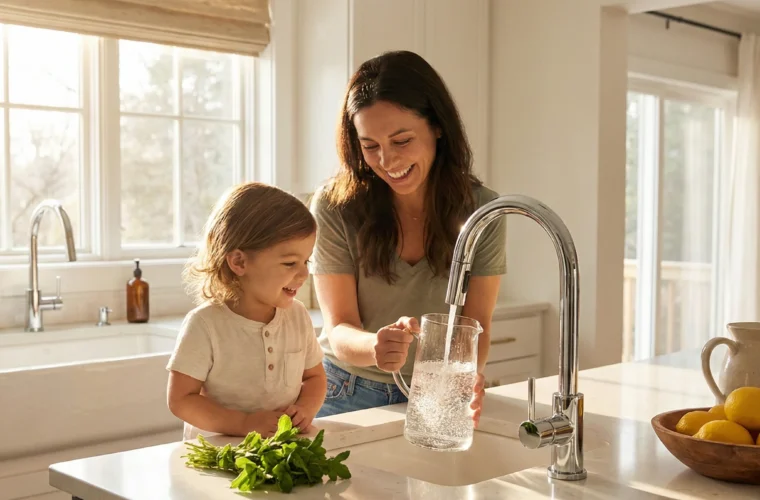
There’s nothing quite like a cold glass of water after a long, busy afternoon. But when that water has an unpleasant aftertaste or a noticeable chemical smell, the experience isn’t particularly refreshing. Many households deal with these concerns by purchasing bottled water, often without considering whether a more convenient solution might be available.
For homeowners exploring reverse osmosis water filter systems, improving drinking water quality can become a practical part of everyday household life rather than an ongoing shopping expense.
Reverse osmosis offers a different approach from ordinary filtration, particularly when dissolved substances are a concern. Understanding how it works, what it can accomplish, and how to maintain it can help you decide whether it’s a worthwhile investment.
Understanding What Affects Your Drinking Water
Water travels through quite a journey before reaching your kitchen faucet. Along the way, its characteristics can be influenced by its original source, treatment processes, distribution infrastructure, and household plumbing.
Dissolved minerals can affect flavor, while disinfectants used in municipal water treatment may contribute to noticeable tastes and odors.
However, unpleasant-tasting water isn’t automatically unsafe, and clear, refreshing water isn’t necessarily free from harmful contaminants.
For Knoxville homeowners, reviewing their water supplier’s quality report or arranging appropriate laboratory testing can provide useful information.
Knowing what you’re dealing with makes it much easier to select a treatment method that addresses your actual concerns instead of relying on guesswork.
Treating Water Where You Need It Most
Not every drop of water entering your home necessarily requires the same level of treatment. The water you use for washing your car, for instance, serves a different purpose from the water you drink.
That’s where point-of-use drinking water treatment offers a practical advantage. Rather than treating the entire household supply, these systems focus on a specific location, typically the kitchen sink.
An under-sink reverse osmosis unit can provide convenient access to treated water for drinking, cooking, making ice, and preparing beverages.
This targeted approach can be particularly appealing for homeowners who already have satisfactory water for general household tasks but want additional drinking water treatment.
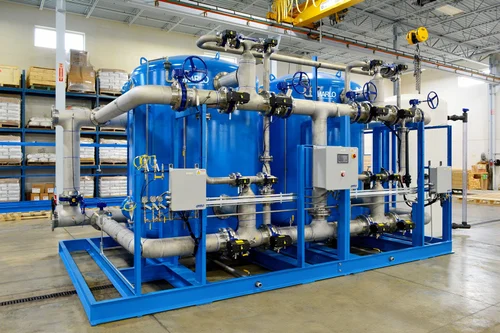
It also helps avoid the expense and complexity of installing a whole-property reverse osmosis system when one isn’t necessary.
Getting to the Bottom of Unpleasant Water Flavors
Sometimes, the slightest change in water flavor can affect an entire beverage. Coffee tastes different, tea loses its familiar character, and even homemade lemonade seems a little off.
Homeowners looking to improve the taste and odor of drinking water should consider which substances might be contributing to the problem before choosing filtration equipment.
Activated carbon filters can help reduce chlorine taste and odor, while reverse osmosis membranes can reduce many dissolved substances that influence water quality.
Many reverse osmosis units combine these technologies, allowing different filtration stages to address different concerns.
Of course, individual preferences vary. Some people prefer water with a noticeable mineral content, while others enjoy the more neutral taste associated with reverse osmosis.
How Reverse Osmosis Works Behind the Scenes
Although the technology sounds complicated, the basic principle is fairly straightforward.
Water pressure pushes incoming water through a semipermeable membrane that allows water molecules to pass while reducing many dissolved substances.
Additional filters commonly help manage sediment and certain chemicals before or after the membrane stage.
Depending on the system’s certified performance, reverse osmosis can reduce substances such as lead, nitrate, fluoride, and dissolved salts.
The process also produces a concentrated wastewater stream that carries rejected substances away.
When comparing equipment, pay attention to water efficiency, production capacity, and independently verified contaminant reduction claims.
A higher number of filtration stages doesn’t automatically mean better performance. What matters is how effectively those stages address your particular water quality concerns.
Making Everyday Kitchen Routines More Convenient
One underrated benefit of installing a dedicated drinking water system is how naturally it fits into ordinary routines.
There’s no need to remember whether you have enough bottled water left before preparing dinner or heading out for work.
Fill your reusable bottle directly from the drinking water faucet. Use treated water when preparing soup, brewing coffee, or making homemade refreshments.
Over time, these small conveniences can become something your household genuinely appreciates.
Before installation, consider available cabinet space, water pressure, drainage connections, and whether a storage tank or tankless design suits your kitchen.
A thoughtfully selected system should make everyday life easier, not introduce another household complication.
Keeping Your Filtration Equipment Working Reliably
Even dependable water treatment equipment needs maintenance. Reverse osmosis systems are no exception.
Prefilters and postfilters require periodic replacement, while membranes eventually need changing according to their condition and manufacturer recommendations.
Reduced water flow or noticeable changes in taste may indicate that servicing is necessary.
Keep track of replacement dates and ask about ongoing maintenance expenses before selecting a system.
If your home has significant hardness or sediment problems, suitable pretreatment may also help protect the membrane.
Taking care of these requirements helps maintain consistent performance and prevents avoidable inconvenience.
A Small Household Improvement With Lasting Value
Improving drinking water quality isn’t about purchasing equipment simply because it’s popular. It’s about finding a solution that makes sense for your household.
For Knoxville residents, reverse osmosis can offer a convenient way to address specific drinking water concerns while reducing dependence on bottled alternatives.
Start with reliable water quality information, compare suitable systems, and establish a manageable maintenance routine.
The greatest reward might be something surprisingly ordinary — enjoying your morning coffee, filling a glass straight from the tap, or preparing dinner without wondering whether your water’s taste will get in the way.
Sometimes, the smallest household improvements are the ones we appreciate most often.