Take a close look at the inside of an old kettle or the edges of a bathroom faucet. Those chalky white deposits might not seem particularly concerning, but they’re a visible reminder of what mineral-rich water leaves behind. Now imagine similar deposits gradually forming inside your water heater, dishwasher, and plumbing components. Suddenly, hard water becomes more than a cosmetic inconvenience.
For homeowners looking to reduce hard water scale with softening, addressing the mineral content of incoming water offers a practical alternative to endlessly scrubbing away deposits.
Across Pekin and surrounding Central Illinois communities, understanding how hardness affects household water can help residents make informed decisions about treatment, appliance maintenance, and everyday comfort.
Why Hard Water Problems Don’t Simply Disappear
Water naturally absorbs calcium and magnesium as it moves through underground rock and soil. These dissolved minerals contribute to hardness and can leave solid deposits behind when water evaporates or is heated.
The frustrating part is that you can thoroughly clean your bathroom today and still find fresh mineral deposits appearing next week.
Many homeowners spend money on descaling products without considering why the problem keeps returning.
Appropriate water softening solutions address hardness before water travels through household plumbing, helping reduce the formation of new mineral deposits.
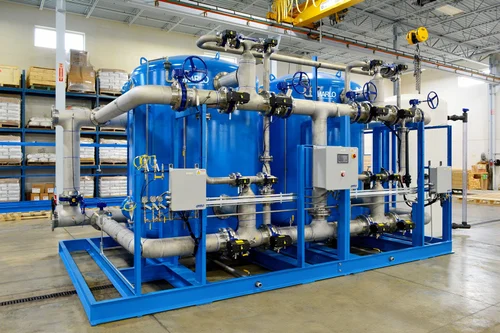
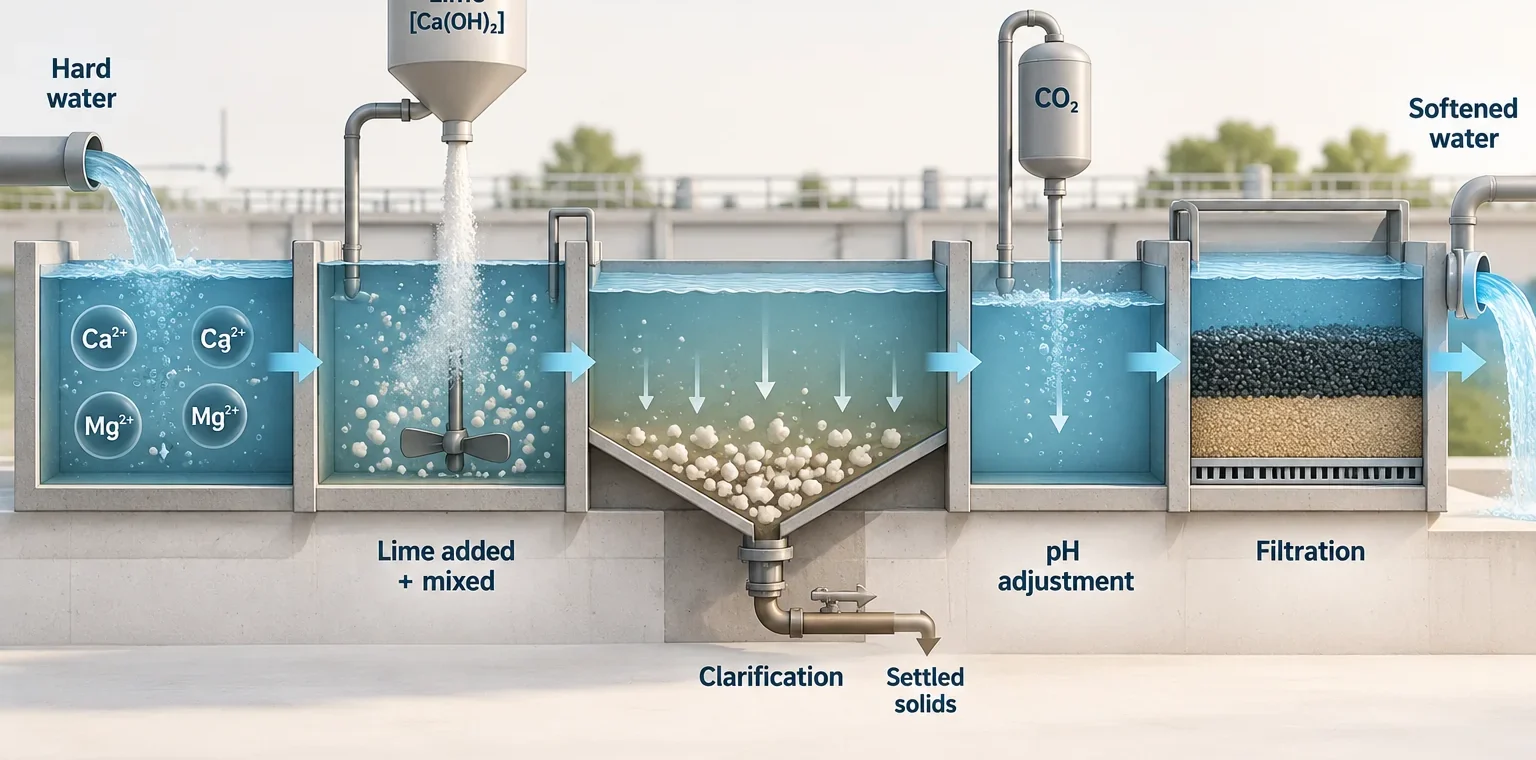
Conventional softeners use ion exchange to reduce calcium and magnesium concentrations. This process tackles the underlying cause rather than simply managing its visible effects.
It’s a practical distinction that can make a considerable difference over time.
Finding a Water Softener That Suits Your Property
Shopping for treatment equipment can be confusing. Different capacities, regeneration methods, and control features make comparing products somewhat challenging, especially if you’ve never owned a softener before.
When evaluating water softeners for homes, consider measured water hardness, household occupancy, daily consumption, and the number of fixtures that may operate simultaneously.
A busy family with several bathrooms will probably require different equipment from someone living alone in a smaller property.
Demand-based regeneration systems can adjust their regeneration schedule according to measured water consumption, potentially reducing unnecessary salt and water usage.
Before purchasing, ask about installation requirements, replacement components, warranty coverage, and ongoing expenses.
The right equipment should meet your household’s needs without introducing unnecessary costs or maintenance responsibilities.
The Hidden Impact of Hard Water on Appliances
Nobody particularly enjoys receiving an unexpected repair bill for a household appliance. Unfortunately, mineral deposits can gradually develop inside equipment that regularly uses or heats water.
Water heaters are particularly susceptible to scale accumulation, which may interfere with heat transfer and affect operating efficiency.
Dishwashers and washing machines can also experience mineral-related maintenance problems.
Reducing hardness helps limit additional scale formation, supporting a more manageable approach to appliance care.
However, softer water won’t magically repair equipment that’s already damaged. Existing deposits may require professional servicing or appropriate cleaning methods.
If you’ve recently purchased new appliances, addressing significant water hardness early can be a sensible preventive measure. It’s often easier to manage buildup before it becomes substantial.
Enjoying the Little Things That Come With Softer Water
Some benefits of water softening become apparent in places you might not expect.
You may notice that shampoo lathers more readily or that freshly washed glasses have fewer mineral spots. Towels might feel softer, and cleaning the bathroom could take less effort.
Even washing your hands can feel different.
Softened water sometimes produces a slightly slippery sensation because soap behaves differently when fewer hardness minerals are present.
Adjusting detergent and soap quantities according to product recommendations can help you get accustomed to these changes.
For families managing busy schedules, the appeal isn’t necessarily a dramatic transformation. It’s having fewer recurring household frustrations competing for their attention.
Knowing What Softening Can and Cannot Do
One of the biggest misconceptions about water treatment is assuming that a softener will solve every water quality problem.
While softening effectively addresses hardness, it isn’t designed to remove all microorganisms, chemical contaminants, or suspended particles.
If your water has an unpleasant chlorine taste, appropriate activated carbon filtration may be worth considering. Sediment problems might require a dedicated particle filter.
Certain dissolved drinking water contaminants may require reverse osmosis or specialized treatment.
For private well owners, regular laboratory testing remains particularly important.
Understanding these differences helps homeowners avoid unnecessary purchases and develop realistic expectations about their treatment equipment.
Making Routine Maintenance Work for You
A water softener needs occasional attention, but maintaining one shouldn’t become particularly demanding.
Check the regenerating salt supply regularly and follow the manufacturer’s servicing recommendations.
Sometimes, salt forms a hardened crust inside the brine tank, preventing proper regeneration. Incorrect settings or mechanical problems may also cause hardness to return unexpectedly.
Rather than assuming the equipment has failed, arrange an inspection and consider testing the treated water.
Keep a simple maintenance record so you know when servicing was last performed.
It’s also sensible to discuss water and salt consumption with your treatment provider. Efficient operation matters when you’re considering the long-term cost of ownership.
Creating a More Comfortable Home With Better Water
For Central Illinois homeowners, managing hardness is about more than keeping bathroom faucets looking attractive. It’s about protecting household investments and making familiar routines a little less demanding.
Begin with accurate water testing, choose appropriately sized equipment, and give maintenance the attention it deserves.
Over time, the benefits may become noticeable through fewer mineral deposits, more effective soap performance, and easier household cleaning.
There’s already enough work involved in maintaining a home. If suitable water treatment can take a few recurring frustrations off your list, that’s an improvement worth making.
Sometimes, better living really does begin with something as ordinary as the water flowing through your tap.