

Most of us don’t grow up thinking about water quality. We learn to trust what comes out of the tap, and for the most part, that trust feels justified. The water looks clear. It doesn’t smell strange. Life moves on. But somewhere along the way, many homeowners start to notice little things that don’t quite add up—spots on dishes, dry skin after showers, a taste in coffee that feels off no matter which beans you buy.
These aren’t dramatic problems. They’re quiet ones. And quiet problems have a way of sticking around longer than they should.
When Water Becomes Part of the Background Noise
Water is constant. It’s there in the morning when you brush your teeth, in the afternoon when you rinse vegetables, and late at night when the dishwasher hums in the background. Because it’s always present, we rarely stop to question how it behaves in our homes.
Instead, we adapt. We wipe faucets more often. We try different soaps. We replace kettles and coffee makers sooner than expected. None of this feels urgent enough to investigate deeply. It just becomes part of the routine.
At some point, though, curiosity creeps in. You start wondering whether water could be doing more than you realize—both good and bad.
Understanding the Appeal of Filtering at Home
Filtering water isn’t about chasing perfection or fear. For most people, it’s about comfort and consistency. They want water that tastes better, feels gentler, and works with their home instead of against it.
A home water filtration system often enters the conversation at this stage. It’s a broad term, but the idea is simple: remove unwanted elements before they affect daily life. That could mean reducing chlorine taste, catching sediment, or improving overall clarity.
The benefit isn’t flashy. It’s subtle. Your tea tastes cleaner. Ice cubes look clearer. Cooking feels more intentional. You don’t necessarily talk about it with friends—but you notice it every day.
One Fix, Many Rooms
One of the most common mistakes homeowners make is trying to solve water issues one faucet at a time. A filter pitcher for drinking. A new showerhead for pressure. Specialty detergents for laundry. These fixes help, but only locally.
Water doesn’t change character from room to room. If it’s carrying minerals or residue, it brings them everywhere. That’s why some households eventually look toward a whole-house water filtration system that treats water at the entry point instead of at individual taps.
The difference shows up gradually. Fixtures stay cleaner longer. Appliances feel less stressed. Showers feel more consistent. It’s not a dramatic transformation, just a steady improvement that touches everything at once.
Taste Is Personal, and So Is Trust
Drinking water is deeply personal. If you hesitate before taking a sip, that hesitation matters—even if you can’t explain why. Taste, smell, and clarity influence trust more than lab reports ever will.
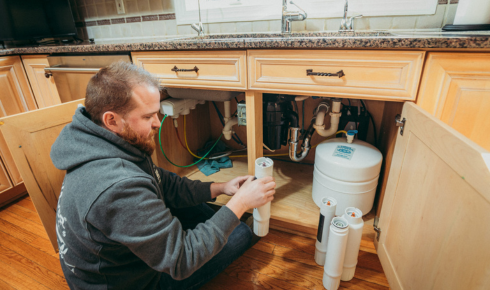
Some households focus specifically on kitchen solutions, choosing under-sink systems to improve water used for drinking and cooking. These setups are popular because they’re discreet and targeted. You don’t change the entire house, just the water you consume most directly.
For many people, this is enough. Coffee tastes better. Soups feel cleaner. Bottled water slowly disappears from the grocery list. The change feels practical, not ideological.
Comfort Shows Up Before the Science
What’s interesting is that most people notice comfort changes before they understand why. Skin feels less dry. Hair behaves better. Laundry feels softer. These aren’t things you expect from better water, but they’re often the first clues something has improved.
Water interacts with everything—fabric, skin, soap, metal. When that interaction becomes smoother, daily routines feel lighter. Cleaning takes less effort. Results feel more predictable.
Comfort isn’t a luxury upgrade. It’s a sign that systems are finally working in harmony.
Appliances Notice Too (Even If They Can’t Say It)
Water-using appliances live a hard life. Dishwashers, washing machines, ice makers, water heaters—they all depend on consistent water quality. Minerals and sediment don’t break these machines overnight, but they wear them down steadily.
When water is filtered before it reaches appliances, performance often improves quietly. Heating elements stay cleaner. Spray arms don’t clog as easily. Machines last closer to their expected lifespan.
You don’t celebrate this kind of success. You just stop dealing with breakdowns as often.
Why There’s No One Right Answer
It’s tempting to look for a single “best” solution, but water quality isn’t universal. It changes by region, supply source, plumbing age, and even season. Two homes on the same street can experience water differently.
That’s why thoughtful evaluation matters more than trends. Some households are happy with point-of-use filtration. Others benefit from treating everything at once. The right choice depends on what bothers you most and how you use water daily.
Good solutions feel tailored. Bad ones feel like overkill.
The Quiet Economics of Better Water
Improved water quality often pays off indirectly. Fewer appliance repairs. Less spending on cleaning products. Lower energy bills as systems run more efficiently. These savings don’t arrive as a single, satisfying number—they show up gradually.
It’s the kind of return that doesn’t impress on paper but feels good in practice. Fewer emergencies. Fewer surprises. More predictable household expenses.
In a world full of flashy upgrades, this kind of value is easy to overlook.
Letting Water Fade Into the Background Again
The best compliment you can give a water solution is forgetting it exists. When water stops leaving marks, causing irritation, or demanding attention, it fades back into the background where it belongs.
You stop thinking about filters, pressure, or residue. You just live. And that’s the goal—not perfection, not purity, but reliability.
Choosing better water at home isn’t about fear or obsession. It’s about removing friction from everyday life. When water works the way it should, everything else feels a little easier. And sometimes, that quiet ease is exactly what a home needs most.

