If you’ve ever stood beside a pond early in the morning, you’ve probably noticed something interesting. The water that looks still from a distance often tells a different story up close. Tiny ripples. Small bubbles. Maybe even the soft hum of equipment working in the background. It doesn’t feel dramatic — but it’s doing something incredibly important.
That subtle movement is often the result of aeration, and it plays a surprisingly big role in keeping water alive, balanced, and healthy.
Most people don’t think much about oxygen in water. We talk about air quality, sure, but water? It seems like something that should just… exist. Yet oxygen levels in water determine everything from fish survival to odor control and even long-term ecosystem stability.
And when oxygen levels drop, problems don’t show up slowly — they tend to appear all at once.
Why Water Needs Oxygen More Than We Realize
Think of a natural lake. Wind blows across the surface, plants release oxygen, and microorganisms continuously cycle nutrients. All of these processes keep water balanced.
But artificial water systems — ponds, wastewater tanks, reservoirs — don’t always have that natural support. Without consistent oxygen exchange, organic matter begins to break down in unhealthy ways.
That’s when you start noticing signs. Foul smells. Murky water. Algae blooms that seem to appear overnight. Fish becoming sluggish or dying unexpectedly.
This is where mechanical aeration steps in, quietly restoring what nature normally provides.
At its core, aeration simply means adding oxygen to water. But the way it’s done can vary depending on the application and environment.
The Role of Aeration Pumps in Water Health
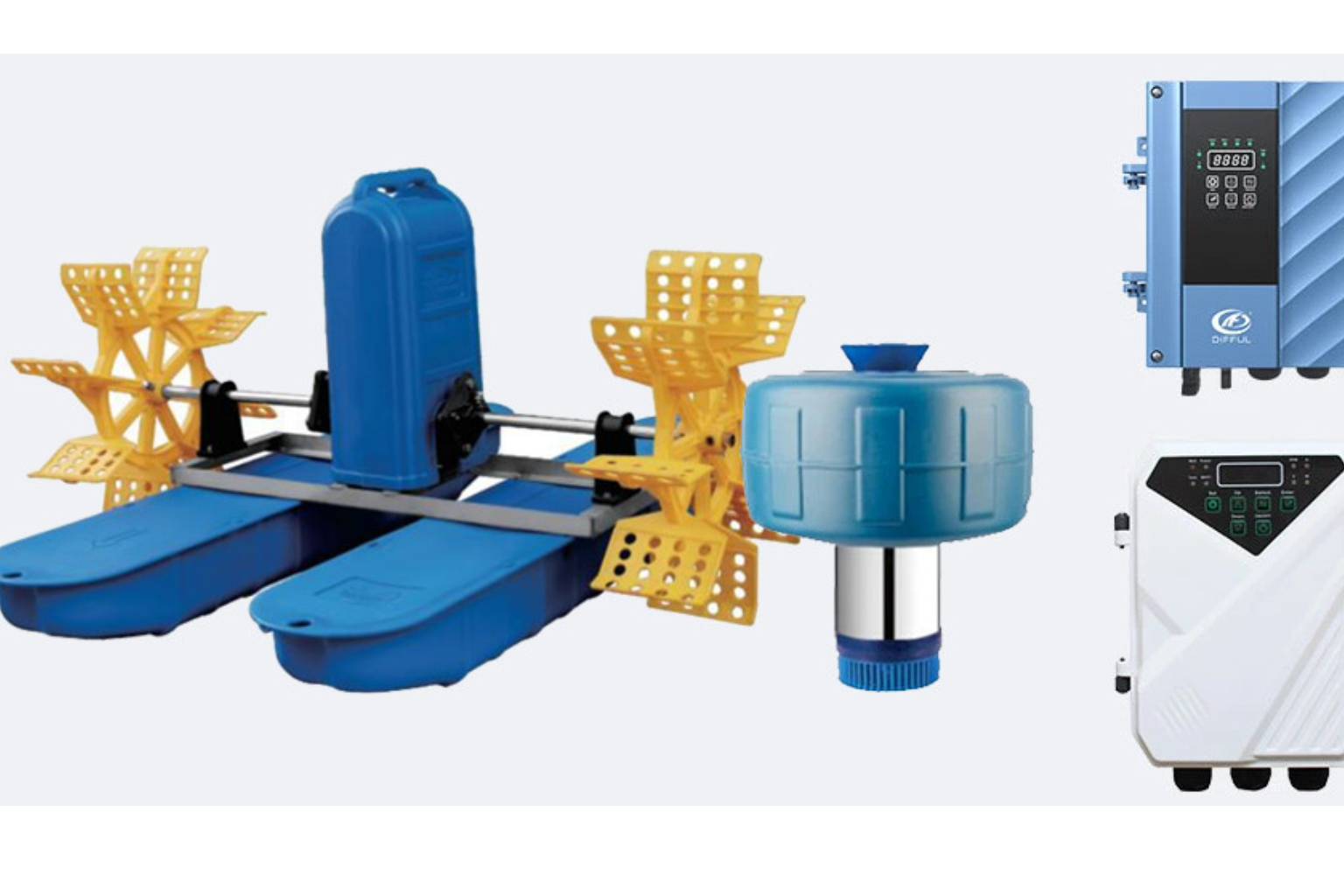
One of the most common solutions involves aeration pumps, which actively circulate air into water bodies. These pumps push air through tubing into diffusers that release small bubbles below the surface.
The idea is simple but effective: smaller bubbles increase the surface area where oxygen can dissolve into the water. As those bubbles rise, they also create circulation patterns that prevent stagnation.
This movement matters because stagnant water layers tend to trap harmful gases like hydrogen sulfide and methane. Without circulation, these gases build up, contributing to bad odors and poor water quality.
Aeration pumps don’t just add oxygen — they restore balance by keeping water moving, breathing, and alive.
A Hidden Hero in Wastewater Treatment
If there’s one place where aeration becomes absolutely essential, it’s wastewater management.
Wastewater contains organic materials that naturally decompose over time. But decomposition can occur in two very different ways: aerobic (with oxygen) or anaerobic (without oxygen).
The difference between the two is enormous.
Aerobic decomposition is cleaner, faster, and produces fewer unpleasant byproducts. Anaerobic breakdown, on the other hand, creates foul smells, toxic gases, and inefficient processing.
That’s why wastewater aeration systems are a cornerstone of modern treatment facilities. By supplying oxygen to bacteria that break down waste, aeration helps speed up purification while reducing harmful emissions.
It’s not glamorous work, but it’s absolutely vital for environmental health and public sanitation.
Keeping Ponds Alive and Balanced
Aeration isn’t just for industrial systems — it plays a huge role in maintaining ponds, whether decorative or ecological.
Homeowners with backyard ponds often assume filtration alone is enough to keep water clean. But filtration removes particles; it doesn’t necessarily address oxygen levels.
Without proper aeration, pond water can become stratified, meaning warm oxygen-rich water sits at the top while colder, oxygen-poor water collects at the bottom. Over time, this imbalance can lead to fish stress, algae blooms, and unpleasant odors.
That’s where pond aeration diffusers make a difference. Positioned strategically at the bottom of ponds, they release fine streams of bubbles that circulate water vertically.
This mixing prevents layering, ensures oxygen reaches deeper zones, and creates a healthier environment for aquatic life.
And honestly, there’s something oddly calming about watching those gentle bubbles rise — like the pond is quietly breathing.
Environmental Benefits That Go Beyond Water
Aeration’s impact isn’t limited to improving water clarity or preventing odors. It also supports broader environmental health.
Healthy oxygen levels encourage beneficial bacteria that break down organic waste naturally. This reduces sludge buildup, minimizes the need for chemical treatments, and promotes long-term sustainability.
In lakes and reservoirs, aeration can even help combat eutrophication — a process where excess nutrients cause explosive algae growth that depletes oxygen and harms aquatic ecosystems.
By restoring oxygen balance, aeration helps reverse these effects and protect biodiversity.
Energy Efficiency and Modern Design Improvements
One of the concerns people often have about aeration systems is energy consumption. Running equipment continuously sounds expensive, right?
Thankfully, modern aeration technology has become significantly more efficient. Advances in motor design, airflow control, and diffuser engineering allow systems to operate effectively while using less electricity.
Some newer setups even include smart controls that adjust operation based on oxygen levels or seasonal conditions, ensuring energy isn’t wasted.
It’s a good example of how technology continues to evolve — not just to solve problems, but to do so more responsibly.
The Subtle Signs of Aeration Success
What’s interesting about aeration is that when it works well, you don’t always notice it immediately. Instead, you see gradual improvements.
Water becomes clearer. Odors disappear. Fish appear more active. Algae growth stabilizes.
These changes often happen quietly, without dramatic transformations — but they reflect a system slowly returning to balance.
In a way, aeration mirrors natural processes. It doesn’t force change; it supports the conditions that allow healthy ecosystems to thrive on their own.
A Small Intervention With a Big Impact
In a world where water quality challenges continue to grow — from urban runoff to agricultural waste — simple solutions like aeration carry enormous value.
They don’t require complex chemicals or heavy infrastructure. Instead, they work by restoring one of the most fundamental elements of life: oxygen.
And perhaps that’s what makes aeration so powerful. It’s not about controlling nature; it’s about helping it function as it was meant to.
So the next time you see bubbles rising quietly in a pond or hear the faint hum of equipment near a treatment facility, remember — it’s not just air moving through water.
It’s life being sustained, one bubble at a time.