You wake up, groggy but hopeful, and wander into the kitchen for your first glass of water. You twist the faucet. The stream is clear—but there’s something off. You take a sip. Ugh. It’s got that weird sharp edge, a tang that clings to your mouth long after you’ve swallowed. Sound familiar?
If your water smells funny, tastes odd, or leaves mysterious stains in the sink, you’re not imagining things. Your plumbing might be clean, your filter might be new, but that doesn’t mean your water is free from surprises—especially if you’re battling with iron and rust in your system.
Water Shouldn’t Be a Guessing Game
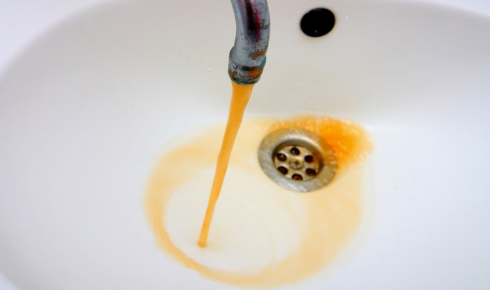
Clean water seems like a basic expectation in any home. Yet so many people, especially those in older houses or rural areas, learn the hard way that their water system is far from flawless. One of the most common complaints? Stains. Yep, those weird orange smudges on tubs, toilets, and sinks that look like you spilled carrot juice or paprika everywhere.
Let’s call it what it is: annoying.
But those orange stains aren’t just cosmetic. They’re red flags—signals from your water system that something deeper needs attention. More often than not, these stains are the aftermath of oxidized iron—meaning the water running through your pipes is carrying unwanted passengers.
It’s Not Just About Looks
Sure, you can scrub those stains. Maybe you’ve tried lemon juice, vinegar, or some heavy-duty cleaner that promises miracles in five minutes flat. But they keep coming back.
Why? Because the source isn’t surface-level.
Iron in your water doesn’t just stain surfaces. It clogs pipes, reduces water pressure, and even damages appliances over time. Washing machines and dishwashers? They hate iron. Clothes come out dingy, dishes with spots. It’s a full-on sabotage from within.
The worst part? You can’t always see it coming. Your water might look crystal clear when it hits the glass, but give it a minute—and suddenly, there’s a chalky film or reddish tint at the bottom. That’s your water revealing its secrets a little too late.
What’s That Taste in My Mouth?
Now let’s talk about that flavor. You know, the one that makes your tea taste like you brewed it in a toolbox? That’s the infamous metallic taste.
This isn’t just about being picky. A metallic flavor in your water could signal elevated levels of iron, manganese, or even trace metals from your pipes—especially if your plumbing is aging or corroding.
It’s subtle at first. Maybe you shrug it off. Maybe you tell yourself, “Eh, I’m just imagining it.” But over time, it wears you down. That first refreshing gulp becomes a guessing game. Will it taste like water today? Or like chewing on a penny?
Filters Alone Don’t Always Cut It
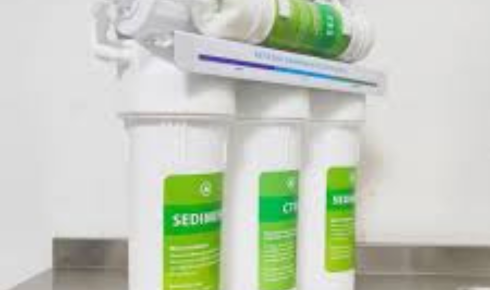
By now, you might be thinking: “Easy fix. I’ll grab a Brita or some fancy filter pitcher.” That’s a start, sure. But let’s be real—filters have limits. Most basic ones aren’t designed to handle dissolved iron or deal with the root cause of persistent rust-related issues.
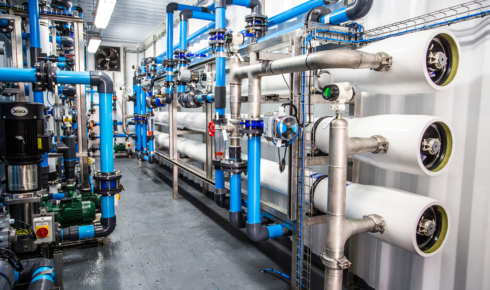
To really tackle iron and rust problems, you might need more advanced systems—like whole-house filtration or specialized iron removal systems. It’s not just about “making water taste good.” It’s about protecting your appliances, your skin, and your peace of mind.
The Sneaky Costs of Doing Nothing
Here’s what they don’t tell you on water softener ads: ignoring iron and rust issues can cost you big-time. Rust deposits in water heaters shorten their lifespan. Iron buildup in pipes can lead to clogs that require expensive plumbing jobs. Even your clothes suffer, fading faster and picking up strange discolorations no amount of detergent can reverse.
And over time? The cumulative cost of replacing appliances, scrubbing stains, or even switching to bottled water (ugh, the waste!) far outweighs the price of getting to the root of the issue.
It’s Not Just a Rural Problem
A lot of folks assume this is only a countryside or well-water problem. Nope. Even city dwellers aren’t immune. Municipal water systems, especially older ones, can have elevated iron from aging infrastructure. So whether you’re sipping tap water from a downtown apartment or a farmhouse kitchen, that metallic taste might still find its way to you.
Time to Take Control
So, what can you do? First, get your water tested. Not just for iron—get a full profile. Understanding what’s actually in your water is the first step to fixing it. Then explore your options: iron filters, water softeners, or a combo system that’s tailored to your home’s needs.
Look for local experts. Don’t fall for gimmicks. And ask the right questions: How does this system handle iron? What kind of maintenance is involved? What’s the long-term cost?
Water is too important to leave to chance.
A Final Sip of Wisdom
Life’s chaotic enough without having to wonder if your drinking water is betraying you. Whether it’s the orange stains that keep reappearing, the telltale signs of iron and rust, or that unshakeable metallic taste in your morning coffee, it’s time to stop settling.
Your water should be clean. Not just in appearance, but in truth.
And once you experience water the way it’s meant to be—tasteless, odorless, pure—you’ll wonder how you lived with anything less.