Walk into any restaurant, hotel, factory, or even a small office building, and there’s one thing quietly doing its job in the background—water. It’s not something customers notice, and honestly, it’s not something most business owners think about every day either. Until, of course, something goes wrong.
A strange taste in drinking water. Scaling on expensive equipment. Unexpected maintenance issues. That’s usually when water stops being invisible and starts becoming a conversation.
The Unseen Role Water Plays in Business
Water isn’t just for drinking. In commercial spaces, it’s part of daily operations—cleaning, cooling, processing, cooking, manufacturing. It touches almost every function in some way. And because it’s so deeply integrated, even small issues can ripple out into bigger problems.
Think about a café. If the water affects the taste of coffee, customers notice. In a hotel, poor water quality can impact guest experience in subtle ways—like how towels feel after washing or how showers perform.
This is where commercial water systems start to matter more than most people expect. They’re not just technical setups tucked away in a utility room—they’re part of the overall quality a business delivers.
When Water Quality Becomes a Business Concern
At home, you might tolerate slightly hard water or minor taste differences. In a business setting, that tolerance drops significantly. Equipment is more sensitive, operations are more demanding, and expectations are higher.
Hard water, for instance, can cause scaling in boilers, dishwashers, and pipelines. Over time, that buildup reduces efficiency, increases energy consumption, and leads to costly repairs. It’s not dramatic at first—it builds slowly, quietly.
And then there’s consistency. Businesses need predictable outcomes. Whether it’s a food production unit or a laundry service, water quality directly affects results.
That’s why conversations around commercial water treatment tend to focus not just on safety, but on performance and reliability.
It’s Not One-Size-Fits-All (And That’s Important)
Here’s where things get a bit more nuanced. Not every business needs the same type of water solution. A hospital, for example, has very different requirements compared to a car wash or a brewery.
Some businesses need ultra-pure water. Others just need to reduce hardness or remove specific contaminants. The challenge is figuring out what actually matters for your operation—not what sounds impressive on paper.
And honestly, this is where many businesses get stuck. Too many options, too much technical jargon, and not enough clarity.
Starting With the Basics: Understanding Your Water
Before jumping into solutions, there’s one step that makes everything easier—testing. It sounds simple, but it’s often overlooked.
Knowing what’s in your water changes the entire approach. It tells you whether you’re dealing with hardness, sediment, chemical residues, or something else entirely. Without that information, any solution is just guesswork.
Once you have that clarity, decisions become more practical. You’re no longer chasing “the best system”—you’re choosing the right one.
Choosing Systems That Actually Work for You
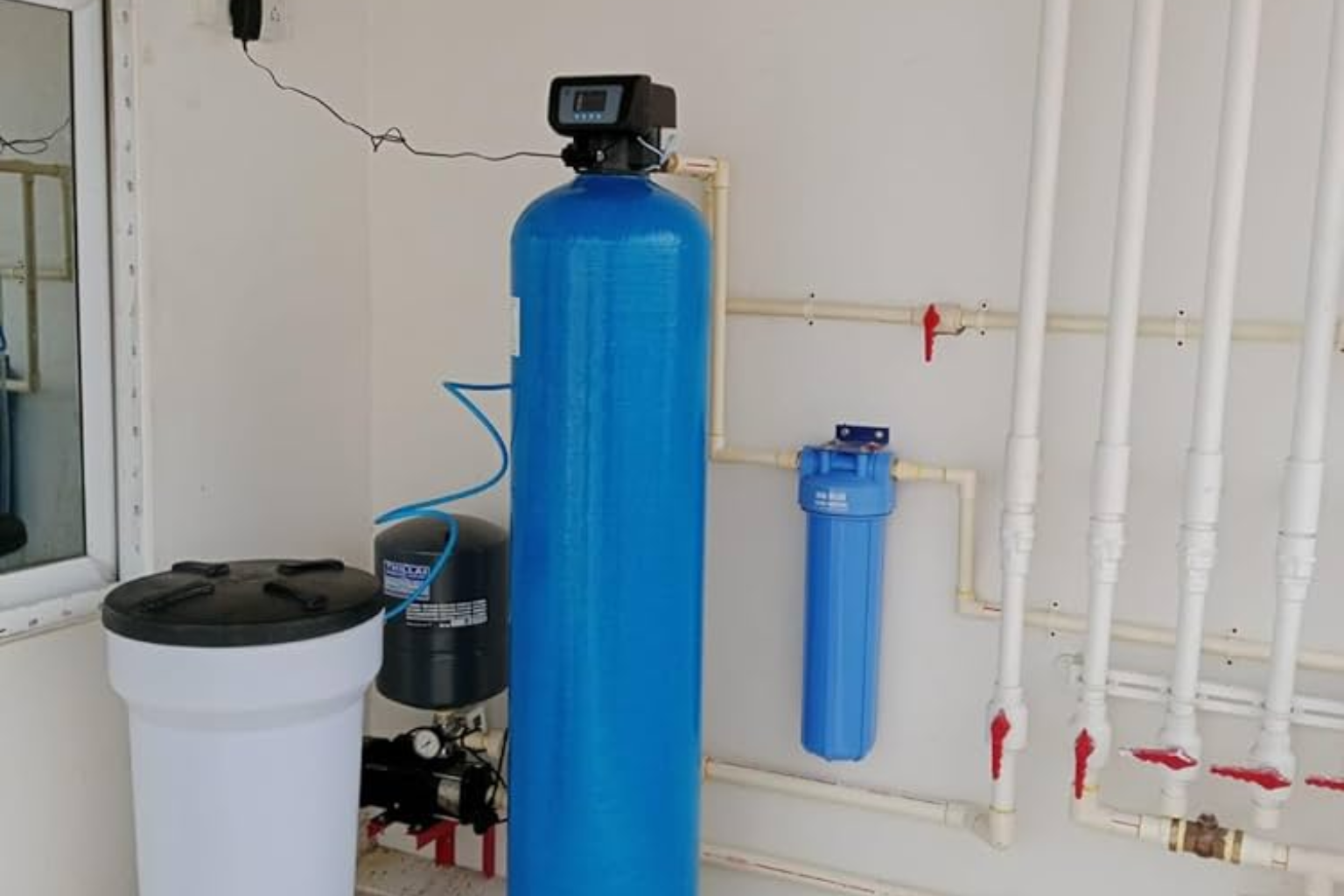
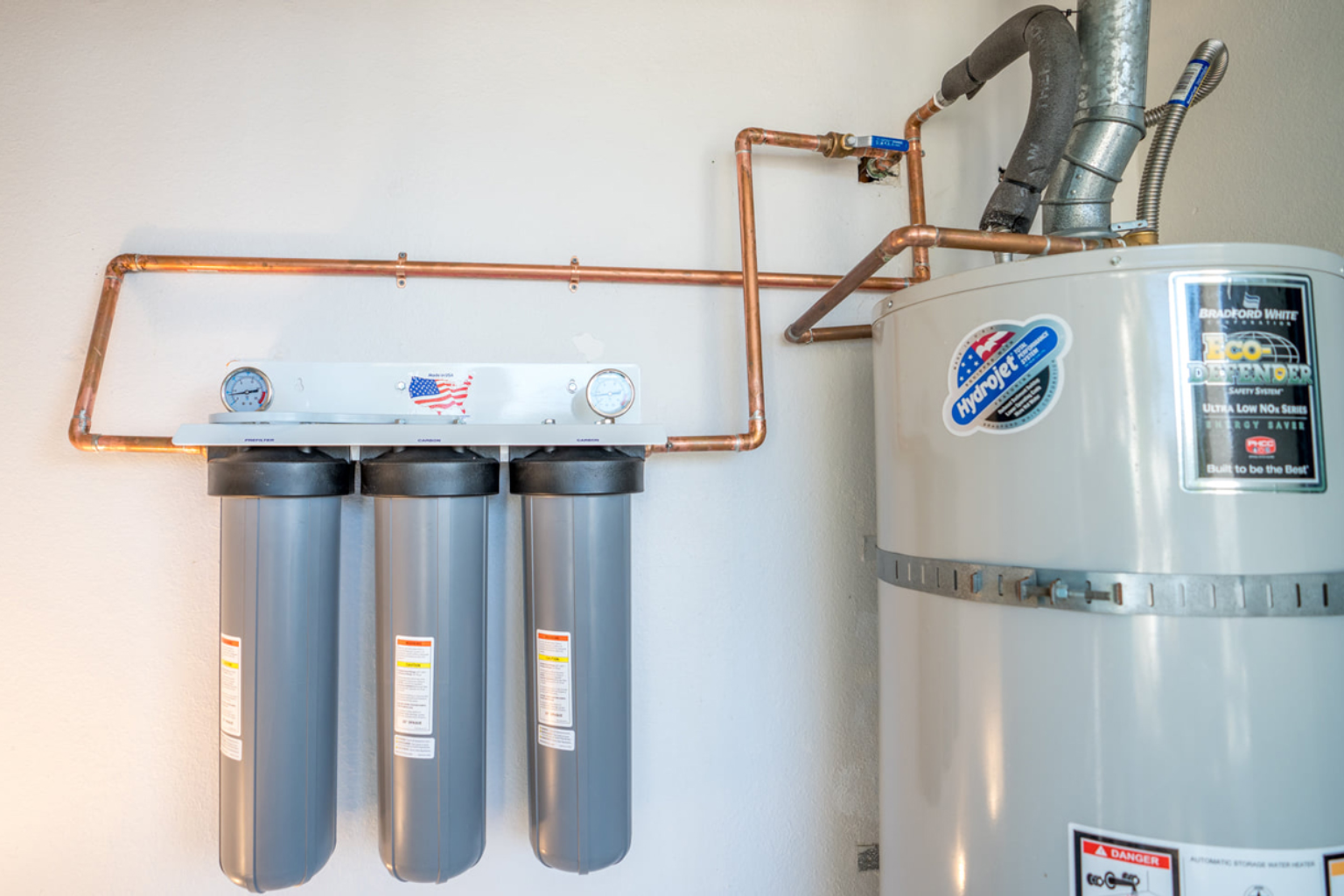
When businesses start exploring solutions, they often come across a wide range of water systems—softeners, filtration units, reverse osmosis setups, and more. It can feel like a maze.
But the truth is, it doesn’t have to be complicated.
A restaurant might benefit from a combination of softening and filtration to protect equipment and improve taste. A manufacturing unit might need more advanced treatment to meet production standards. An office space might just need a reliable filtration system for drinking water.
It all comes back to purpose. What do you need your water to do?
Maintenance: The Part People Forget
Installing a system is one thing. Maintaining it is another.
This is where things often slip. Filters need replacing, systems need monitoring, and performance needs checking. It’s not glamorous work, but it’s essential.
Neglecting maintenance can undo all the benefits of having a good system in the first place. And in a business environment, that can quickly turn into downtime or unexpected costs.
A simple routine—regular checks, timely servicing—goes a long way.
A Quiet Investment With Long-Term Impact
Investing in better water solutions doesn’t always feel urgent. It’s not as visible as upgrading décor or launching a new service. But over time, it pays off in ways that are hard to ignore.
Better equipment lifespan. Consistent product quality. Reduced maintenance costs. Even improved customer satisfaction, though they may never know exactly why.
It’s one of those behind-the-scenes improvements that quietly supports everything else.
A Final Thought Worth Considering
Water might not be the first thing you think about when running a business, but it’s always there, shaping outcomes in subtle ways.
And once you start paying attention to it—not obsessively, just thoughtfully—you begin to see its impact more clearly.
Because sometimes, the most important parts of a business are the ones no one ever notices… until they do.