There’s something oddly comforting about a cold glass of water straight from the tap. It’s one of those everyday moments we rarely stop to think about — until, of course, something feels off. Maybe the taste isn’t quite right, or there’s a faint smell that makes you hesitate for a second before taking a sip.
Most of the time, tap water is treated and safe. That’s important, and it’s something many people rely on daily. But “safe” doesn’t always mean ideal. Sometimes it still carries traces of minerals, chemicals, or particles that affect taste, clarity, or overall quality.
And that’s exactly why more homeowners are beginning to look closely at how they can improve the water flowing through their homes.
The Hidden Complexity of Tap Water
Water treatment plants do an essential job — they remove harmful contaminants and ensure basic safety. But the journey from the treatment facility to your faucet is long. Along the way, water travels through miles of pipelines, storage systems, and plumbing networks.
During that journey, it can pick up tiny impurities, dissolved minerals, or even chemical residues. None of these necessarily make the water unsafe, but they can change its flavor and feel.
This is why two homes in the same city can experience noticeably different water quality. It’s not always about the source — sometimes it’s about what happens along the way.
Why Filtration Has Become a Household Priority
In recent years, water filtration has shifted from being a luxury to becoming a practical home upgrade. Families are increasingly aware that better water quality supports healthier habits, from cooking to hydration.
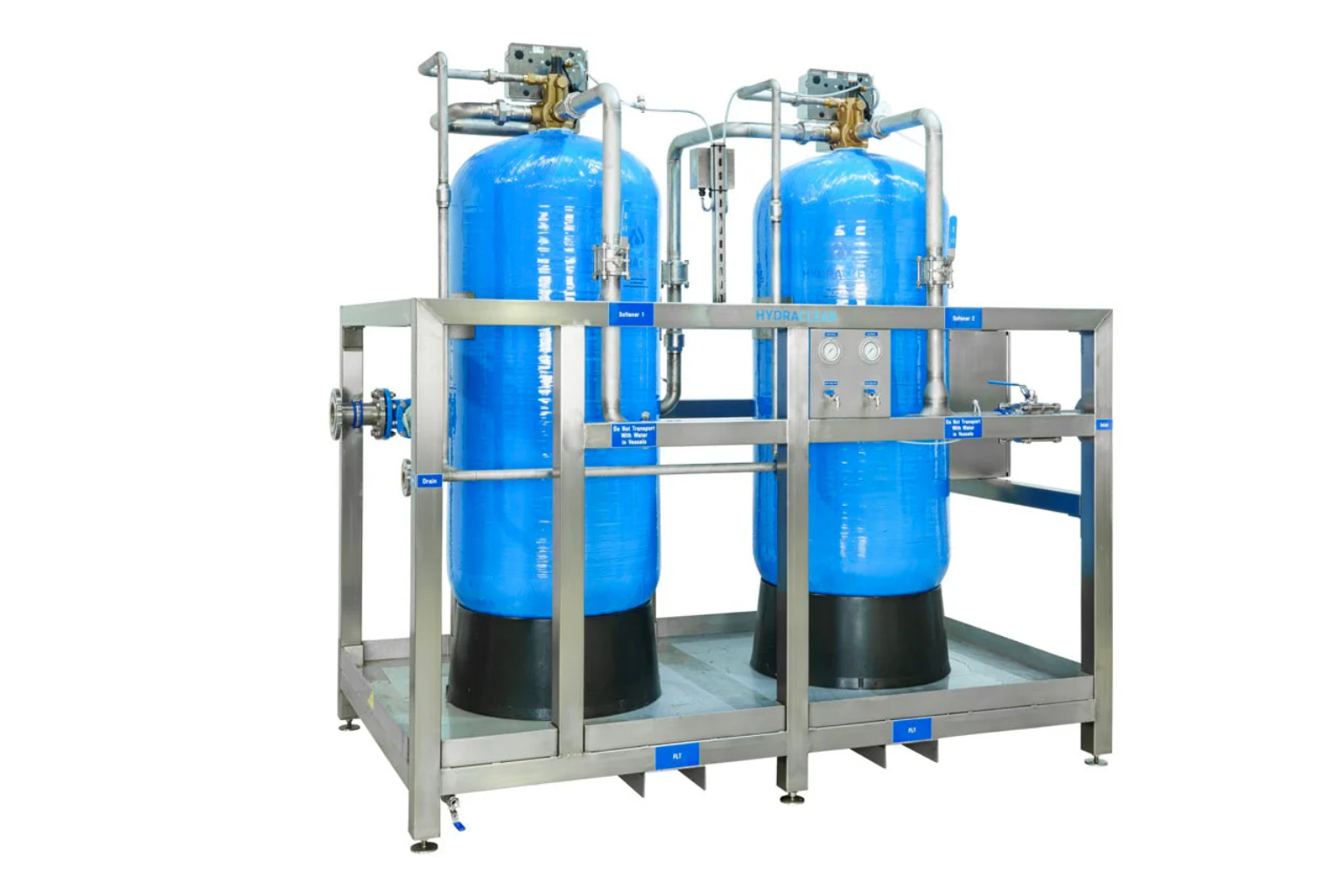
Modern filtration systems are designed to address issues that municipal treatment can’t fully resolve. For example, many advanced systems are capable of filtering microscopic particles and working to remove dissolved solids, which are often responsible for the metallic taste or cloudy appearance of water.
When these substances are reduced, water becomes noticeably smoother and more refreshing. It’s not just cleaner — it feels different.
The Subtle Science Behind Better Taste
One of the biggest surprises for homeowners after installing a filtration system is how dramatically water taste can improve.
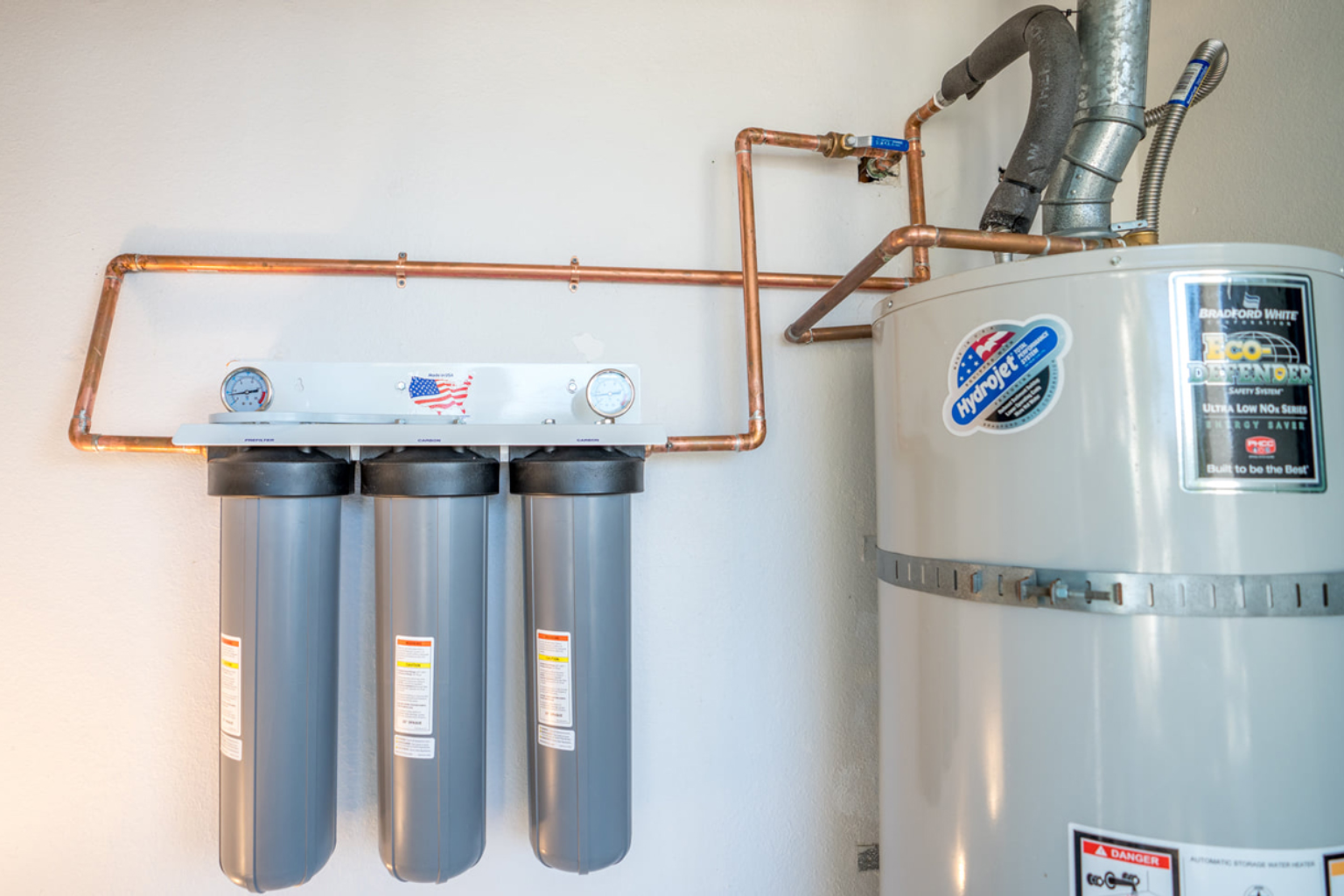
This change is often due to a final purification stage known as a carbon post-filter. This component works by absorbing residual odors, chlorine traces, and other compounds that can affect flavor.
It’s a bit like polishing a finished product — the heavy lifting happens earlier in the filtration process, but this final stage refines the result.
That’s why filtered water often tastes cleaner, fresher, and more neutral. It doesn’t overpower beverages like coffee or tea, and it enhances the natural flavors of food during cooking.
Everyday Benefits That Add Up
Improved water quality doesn’t just influence taste — it subtly impacts daily routines in ways people don’t always expect.
For instance, filtered water reduces mineral buildup inside kettles, coffee machines, and cookware. Over time, this helps appliances last longer and perform more efficiently.
Cooking with cleaner water can also preserve the natural textures and flavors of ingredients. Even something as simple as boiling vegetables can produce noticeably better results.
These benefits may seem small individually, but together they contribute to a smoother, more convenient household experience.
Encouraging Healthier Habits Without Effort
One of the most interesting effects of better water quality is behavioral.
When water tastes fresh and appealing, people naturally drink more of it. They’re less likely to reach for sugary drinks or rely on bottled beverages.
Having easy access to improved tap water often leads to better hydration without requiring conscious effort. It’s a simple change that supports long-term health in subtle ways.
Families with children especially notice this difference. Kids are more likely to choose water when it tastes clean and refreshing.
Environmental and Financial Advantages
Another reason homeowners consider filtration systems is sustainability.
Reducing reliance on bottled water significantly cuts plastic waste. Over time, this contributes to a more environmentally friendly lifestyle.
There’s also a financial aspect. The cost of buying bottled water regularly adds up quickly, while a home filtration system provides consistent access at a lower long-term cost.
It’s a practical investment that supports both environmental responsibility and household budgeting.
Peace of Mind in Everyday Living
Beyond measurable benefits, there’s a psychological comfort that comes with knowing your water is properly filtered.
It eliminates uncertainty. You don’t have to wonder about strange tastes, odors, or hidden impurities. Instead, every glass of water feels consistent and reliable.
That confidence becomes part of daily life — quiet but meaningful.
A Small Upgrade With Lasting Impact
Improving water quality at home isn’t about making a dramatic change. It’s about refining something fundamental.
Water is used constantly, yet rarely noticed. When its quality improves, everything connected to it becomes just a little better — from the taste of morning coffee to the efficiency of kitchen appliances.
And perhaps that’s what makes this upgrade so valuable.
It doesn’t change how your home looks. Instead, it changes how it feels to live there — quietly, consistently, and in ways that support everyday comfort and well-being.