

If you rely on well water, chances are you’ve had that moment. You pull a load of laundry out of the washer and notice faint orange stains. Your sink has a rusty ring no matter how often you clean it. Even the water itself sometimes smells… metallic. It’s frustrating, confusing, and oddly personal — because water is something you trust every single day.
Iron in well water isn’t rare, and it isn’t a sign you’re doing something wrong. It’s just geology doing what geology does. The challenge isn’t blaming the water — it’s figuring out what actually works, and what doesn’t, without falling into internet myths or expensive mistakes.
Understanding Why Iron Shows Up in Well Water
Iron naturally occurs in soil and rock. When groundwater moves through iron-rich layers underground, it picks some of it up along the way. That iron then makes its way straight into your plumbing.
Sometimes it’s invisible until it oxidizes. Other times, it announces itself loudly through stains, odors, or gritty residue. The tricky part is that iron doesn’t behave the same way in every well. One home might deal with mild staining, while another battles reddish water daily.
That’s why solutions need to be thoughtful, not rushed.
The Different Faces of Iron (and Why That Matters)
Iron usually shows up in three forms: dissolved (clear-water iron), oxidized (red-water iron), and bacterial iron. Each behaves differently, and each responds differently to treatment.
Clear-water iron can pass through taps unnoticed until it hits oxygen, where it turns rusty. Red-water iron is already oxidized and easy to spot. Iron bacteria is the most annoying — slimy, smelly, and stubborn.
Before jumping into fixes, understanding what kind of iron you’re dealing with makes everything else easier.
The Big Question Everyone Asks First
When iron becomes obvious, people often search how to get iron out of well water, hoping for a simple, one-step solution. And that’s understandable. Nobody wants to overhaul their entire water system if they don’t have to.
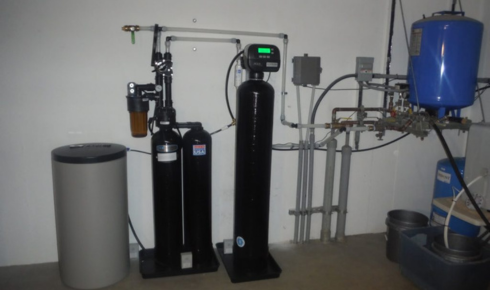
The honest answer is that there are ways to manage iron effectively, but they depend on severity. Mild iron issues can sometimes be handled with targeted filtration. Heavier iron usually requires a dedicated iron removal system or oxidation followed by filtration.
There’s no universal fix — but there is a right fix for your situation.
Does Boiling Actually Help?
This is one of the most common myths. People wonder can you boil iron out of water, especially if they’re trying to avoid installing equipment.
Boiling water does cause some dissolved iron to oxidize and settle, but it doesn’t truly remove iron in a practical or reliable way. It won’t help with iron bacteria, and it won’t protect plumbing, appliances, or laundry. Boiling also concentrates minerals as water evaporates, which can make things worse over time.
So while boiling might change how water looks temporarily, it’s not a real solution — especially for daily household use.
Simple Things That Help (But Don’t Solve Everything)
There are small steps that can reduce iron-related frustration. Regularly cleaning fixtures before stains set in helps. Using detergents designed for iron staining can save clothes. Flushing water lines after periods of non-use can limit buildup.
But these are coping strategies, not cures. They make life easier while you work toward a long-term solution.
Filtration, Oxidation, and What Actually Works
The most effective methods for iron removal involve either oxidation (turning dissolved iron into a solid) or specialized media that traps iron as water passes through. Some systems combine both steps.
This is where testing matters. A basic water test tells you iron concentration, pH, and whether manganese or sulfur is also present. Those details shape the solution. Installing the wrong system can mean wasted money and ongoing frustration.
If you’re serious about how to remove iron from well water, professional testing and properly sized equipment are worth the effort. They save money in the long run, even if they feel like a hassle upfront.
Why One System Works for Your Neighbor (But Not for You)
It’s tempting to copy what worked for someone else. But wells are deeply individual. Depth, geology, usage patterns — all of it matters.
A system that handles low-level clear-water iron may fail completely against iron bacteria. Something that works beautifully in one home might clog constantly in another. This is why “one-size-fits-all” advice often disappoints.
Good solutions are boring in the best way: customized, quiet, and reliable.
Living With Better Water (Without Obsessing Over It)
Once iron is properly managed, the change is subtle but powerful. Clothes stay clean. Fixtures stop staining. Water tastes neutral. You stop thinking about it — and that’s the goal.
Iron removal isn’t about perfection. It’s about restoring trust in your water so it fades back into the background of daily life.
Avoiding the Panic Trap
Iron problems tend to creep up slowly, then suddenly feel urgent. That urgency can push people toward rushed decisions. Take a breath. Test the water. Understand the type and level of iron you’re dealing with.
The best decisions are rarely made in panic. They’re made with clarity.
A Calm Ending to a Common Problem
Iron in well water is frustrating, but it’s also manageable. You don’t need miracle fixes or dramatic upgrades — just the right approach for your water.
Once iron is under control, you stop worrying about stains, smells, and surprises. Water goes back to being what it should be: something you rely on without thinking twice.

