

You know that feeling when your lights start flickering, and you just hope it’s not a serious issue? Maybe it’s just a loose bulb—or maybe it’s something deeper, lurking behind your walls. Most homeowners don’t give their electrical systems much thought until something goes wrong. But those small signs—buzzing outlets, tripped breakers, dimming lights—are like whispers from your home saying, “Hey, I need a little attention.”
Electricity keeps our lives moving, yet we often take it for granted. It powers everything from your morning coffee maker to your midnight Netflix binge. But when it acts up, it’s not just inconvenient—it can be dangerous. So, let’s dive into what really happens when your home starts misbehaving electrically, and why you shouldn’t ignore it.
When Simple Fixes Aren’t So Simple
Many people like to think of themselves as DIY heroes. YouTube tutorials make everything look doable, right? But when it comes to electrical repairs, things can get messy fast. A single wrong move—like connecting the wrong wires or overloading a circuit—can lead to more than just a blown fuse. We’re talking sparks, shocks, or even fires.
That’s the tricky part with electrical systems: they hide behind walls and ceilings. You can’t just see the issue like a leaky faucet. Instead, you have to read the symptoms—like a light that flickers only when the washing machine runs, or a breaker that keeps tripping when you plug in your hair dryer. These are clues that something’s off with your circuit capacity or wiring balance.
If you notice these recurring issues, don’t just reset the breaker and move on. A licensed electrician can check whether your wiring is properly grounded, if your circuits are overloaded, or if there’s an aging connection somewhere that’s starting to fail. Fixing the root cause early can prevent far more costly damage later.
Why Upgrading Your Electrical System Is Worth It
Here’s the thing—our homes age, but our technology keeps getting more demanding. Modern appliances, gaming consoles, high-speed chargers, and smart home devices all add new strain on old wiring. If your house was built more than a couple of decades ago, chances are it wasn’t designed to handle this level of power use.
That’s where electrical upgrades come in. Upgrading your panel, replacing outdated wiring, or installing dedicated circuits for heavy appliances doesn’t just improve convenience—it’s a safety investment. Old fuse boxes, aluminum wiring, or two-prong outlets are telltale signs your system is stuck in the past.
A modern electrical panel not only handles higher capacity but also distributes energy more efficiently. You’ll notice fewer tripped breakers, more consistent voltage, and even lower risks of overheating. Plus, with the rise of EV chargers, solar panels, and smart thermostats, upgrading now can future-proof your home for whatever technology brings next.
It’s also a major plus if you’re planning to sell your house. Buyers love seeing that “updated electrical” note in the listing—it means fewer headaches down the road.
The Subtle Art of Troubleshooting
Electrical problems rarely announce themselves loudly at first. Instead, they start small—like a light switch that doesn’t respond every time, or an outlet that feels slightly warm. These are early red flags that deserve attention.
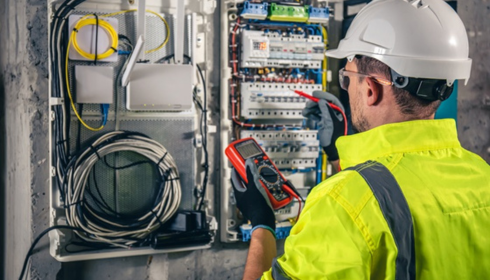
Electrical troubleshooting is all about detective work. Professionals don’t just guess; they isolate circuits, test voltages, and follow logical steps to uncover what’s wrong. Sometimes, the issue is as simple as a loose neutral wire. Other times, it could be a hidden short circuit waiting to cause havoc.
While you might be tempted to diagnose it yourself, remember that electricity doesn’t forgive mistakes easily. A qualified technician has the tools and knowledge to trace problems safely, often saving you hours of frustration—and potentially thousands in damage repair.
If you’re ever unsure, pay attention to these signals:
- Lights that dim when large appliances start up
- Frequent breaker trips
- Burning smells or scorched outlets
- Buzzing sounds from switches or panels
- Outlets that spark when you plug something in
These are not “normal” quirks—they’re warnings.
Hidden Dangers of Ignoring Electrical Issues
It’s easy to delay calling an electrician when things seem minor. Maybe you think, “It’s just a flicker—it’s fine.” But minor electrical issues can quickly escalate. A weak connection can generate heat, which leads to melted insulation or even an electrical fire. Faulty outlets can damage expensive electronics.
The scary part is that many electrical fires start silently, often behind walls. By the time smoke appears, it’s already too late. Regular inspections and timely maintenance aren’t just for peace of mind—they’re for protection.
And if you’ve recently done renovations or added new appliances, that’s an even bigger reason to check your load capacity. Modern kitchens, home theaters, and EV chargers all demand more power than most old panels can handle.
A Smarter, Safer Home
In today’s world, safety doesn’t have to come at the expense of convenience. Smart circuit breakers, whole-home surge protectors, and GFCI outlets are designed to detect irregularities instantly and shut down power before anything dangerous happens. These modern innovations make homes not just safer but more efficient.
Even simple changes—like upgrading old outlets to USB ones or adding motion-sensor lighting—can improve comfort and energy savings. The goal isn’t to make your home futuristic overnight, but to create a space that’s both secure and functional.
Final Thoughts
Your home’s electrical system is like its heartbeat—silent but vital. When it’s working well, everything hums along smoothly. When it falters, everything else feels off. Whether it’s small electrical repairs, thoughtful upgrades, or detailed troubleshooting, treating your home’s wiring with care pays off in comfort, safety, and peace of mind.
So the next time your lights flicker or your outlets buzz, don’t shrug it off. Take it as your home’s quiet way of saying: “Hey, let’s take care of this before it gets serious.” Because when it comes to electricity, prevention isn’t just smart—it’s essential.

