

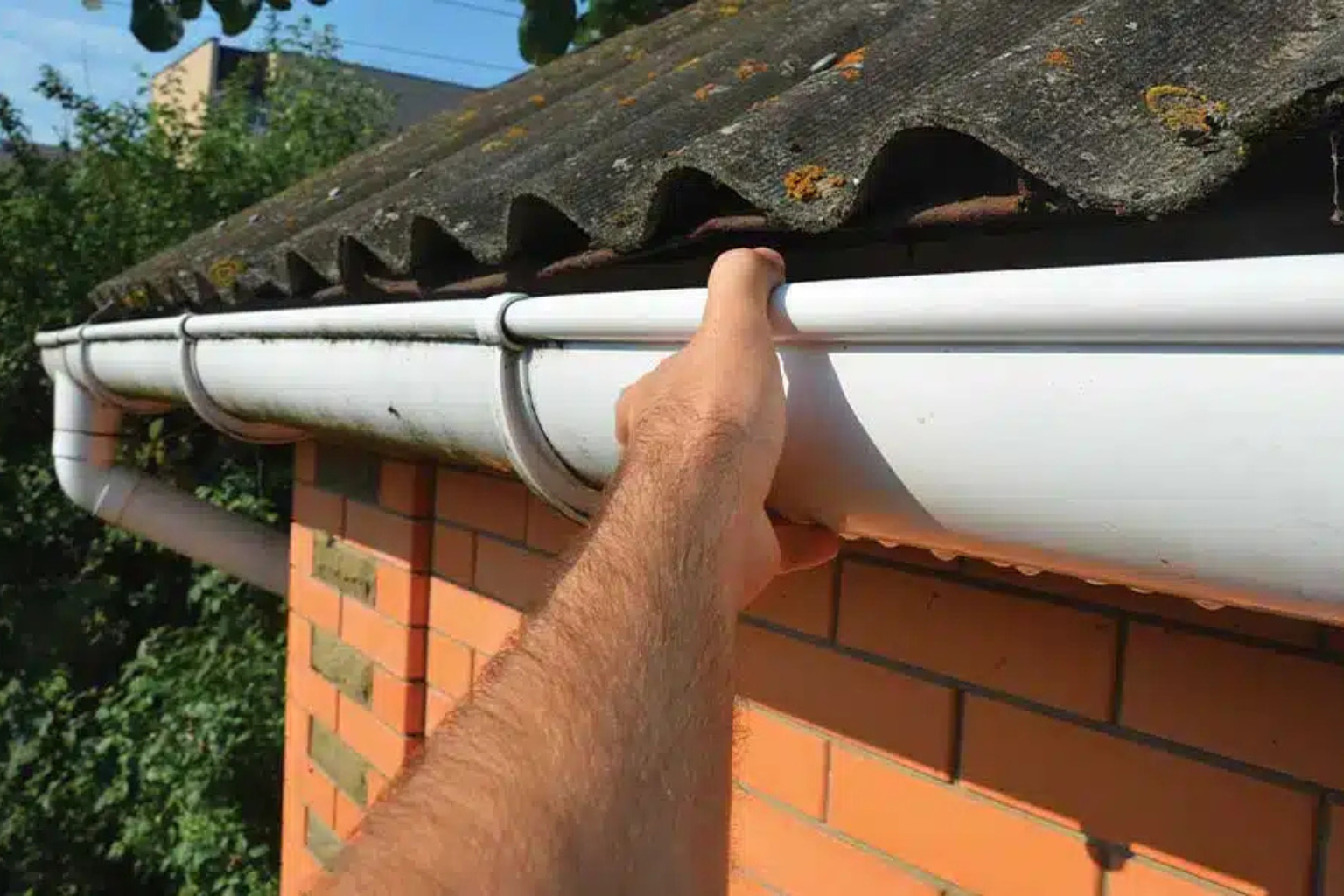
There’s something oddly comforting about the sound of rain on a roof—until you notice water spilling where it shouldn’t. Maybe it’s dripping too close to the foundation, or pooling near your doorway, or worse, sneaking into places it has no business being. That’s usually the moment when gutters stop being an afterthought and start feeling… essential.
Most homeowners don’t think about gutters until there’s a problem. And honestly, that’s understandable. They sit up there quietly doing their job, out of sight and often out of mind. But when they fail, they don’t fail quietly. Water damage has a way of escalating fast—one small overflow can turn into stained siding, eroded landscaping, or even foundation trouble.
Why Gutters Matter More Than You Think
At their core, gutters are simple. They collect rainwater from your roof and guide it away from your home. But that simplicity hides how critical they really are. Without a proper system, water falls straight down, splashes back up, and slowly chips away at everything from your paint to your soil stability.
Think of it like this: your roof is your first line of defense, but gutters are what make that defense complete. Without them, it’s like having an umbrella full of holes—technically there, but not doing much good.
And yet, not all gutter systems are created equal. That’s where things get interesting.
The Quiet Strength of Modern Systems
A lot has changed in how gutters are designed and installed. Gone are the days when bulky, pieced-together sections were the only option. Today, homeowners are leaning toward seamless gutters—and for good reason.
Unlike traditional sectional systems, seamless gutters are made from a single continuous piece of material. That means fewer joints, fewer weak points, and far less chance of leaks over time. It’s a small shift in design, but it makes a noticeable difference in performance and longevity.
Plus, they just look cleaner. There’s something satisfying about a system that blends in with the roofline instead of breaking it up visually.
Getting Installation Right (Because It Matters)
You can have the best materials in the world, but if they’re installed poorly, none of it really matters. Proper gutter installation isn’t just about attaching metal channels to your roof—it’s about precision.
The slope has to be just right. Too steep, and water rushes too fast, potentially overshooting the downspouts. Too flat, and water sits there, collecting debris and eventually clogging. Then there’s spacing, support brackets, and alignment with your roof edge—all details that can’t be guessed.
It’s the kind of work that seems simple until you try to do it yourself on a ladder, juggling tools while balancing your weight. Not exactly the best time to experiment.
Where Does the Water Actually Go?
Here’s something people don’t always think about: gutters don’t just collect water—they move it somewhere else. And that “somewhere else” matters just as much as the gutters themselves.
That’s where downspout solutions come into play. A well-placed downspout directs water safely away from your home’s foundation, ideally several feet out. Some systems even extend underground or connect to drainage lines, ensuring water doesn’t pool around the base of your house.
If gutters are the highways, downspouts are the exits. Without a good exit strategy, everything backs up.
Small Signs You Shouldn’t Ignore
Sometimes the warning signs are obvious—overflowing water during a storm, sagging sections, or visible cracks. But other times, it’s more subtle.
Maybe you notice dirt splashing higher up on your siding than usual. Or a patch of grass that’s always soggy long after the rain stops. These little clues often point to a gutter system that isn’t doing its job properly.
And here’s the thing: catching these signs early can save you a lot of trouble. Fixing a small issue now is almost always easier (and cheaper) than dealing with long-term damage later.
Maintenance Isn’t Glamorous, But It Works
Let’s be honest—cleaning gutters isn’t anyone’s favorite weekend activity. It’s messy, a bit tedious, and not exactly rewarding in the moment. But it’s one of those tasks that quietly protects your home in the background.
Leaves, twigs, and debris can build up faster than you think, especially if you have trees nearby. When that happens, water has nowhere to go but over the edge. Regular cleaning, even just a couple of times a year, keeps everything flowing as it should.
Some homeowners opt for gutter guards to reduce maintenance. They’re not perfect, but they can definitely help cut down on the frequency of cleanouts.
Choosing What Fits Your Home
Every home is a little different. Roof size, pitch, local weather patterns—it all plays a role in what kind of system works best. A house in a heavy rainfall area might need larger gutters or additional downspouts, while a smaller home might get by with a simpler setup.
The key is not to overcomplicate things, but also not to underestimate them. Gutters aren’t flashy, but they’re functional in a way that directly impacts your home’s health.
A Final Thought
It’s funny how something so unassuming can make such a big difference. Gutters don’t get much attention when they’re working well, and maybe that’s exactly how it should be.
But when you take a closer look—really think about how water moves around your home—it becomes clear that they’re doing more than just channeling rain. They’re quietly protecting your investment, one storm at a time.

