There’s something quietly powerful about a home that feels right. Maybe it’s the fresh air that breezes in through open windows, the steady hum of a water filter doing its job in the background, or the satisfaction of knowing your space isn’t just beautiful — it’s smart and sustainable too.
This isn’t just about living well. It’s also about the surprising little ways these choices increase your home’s appeal — and ultimately, its value. If you’re wondering how installing that rainwater system or switching to eco-conscious plumbing might impact your bottom line, well, let’s talk.
When Water Isn’t Just Water
Let’s face it — we’ve all taken clean water for granted at some point. Turn on the tap, and boom: you’ve got it. But more and more, that simple luxury is becoming a real estate differentiator.
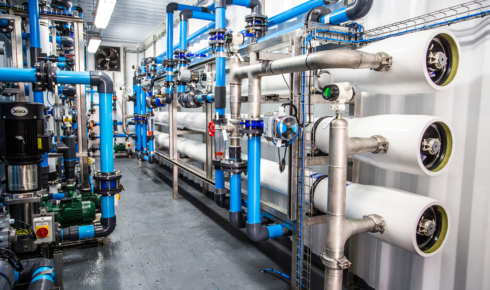
In areas where contamination, hard water, or outdated infrastructure are common headaches, a home with modern filtration or purification systems is gold. Think about it — would you rather move into a house that might need pipework redone or one with crisp, clean water straight from the tap, no guesswork? Yeah, us too.
It’s not just about taste or peace of mind either. Homes with advanced water systems are seeing higher buyer interest, especially among families and health-conscious individuals.
Value That Goes Beyond Granite Countertops
Real estate agents used to swoon over upgraded kitchens and open floor plans. And while those still matter, the conversation is shifting. Buyers are asking, “How efficient is the HVAC?” or “What’s the utility bill like?” A home’s efficiency and low-impact features are no longer just bonuses — they’re part of the checklist.
Adding solar panels, low-flow fixtures, a greywater system, or even smart irrigation may not seem flashy at first, but they speak volumes. These quiet upgrades reduce monthly costs and appeal to a growing segment of eco-aware buyers — often resulting in a bump in property value that goes beyond aesthetics.
In fact, recent trends show that homes with green certifications or energy-efficient improvements can command up to 5–10% more on the market. And in neighborhoods where “green” is catching on, early adopters often reap even higher returns.
Living Sustainably Isn’t a Trend. It’s a Shift.
Sustainability isn’t just some buzzword cooked up by marketers. It’s a shift — in priorities, in how we build, and in what buyers care about. And it’s not just Millennials or Gen Z driving this. Boomers downsizing into smaller, smarter homes are just as interested in lasting, low-maintenance, efficient living.
The beauty of sustainable living is that it creates a ripple effect. Homes that rely on renewable energy, limit waste, and use resources wisely aren’t just good for the planet — they’re easier to live in. Less maintenance. Lower bills. More comfort.
And again, that peace of mind sells. Whether it’s solar water heaters or reclaimed wood floors, sustainable homes tell a story — one of care, responsibility, and future-thinking. That resonates.
Small Changes, Big Impact
You don’t have to start with a green roof or a Tesla wall. Even small changes can make a noticeable difference:
- Switch to LED lighting throughout
- Install aerated faucets and low-flow toilets
- Use native landscaping to reduce water usage
- Upgrade to Energy Star-rated appliances
- Add a smart thermostat
These aren’t “someday” upgrades — they’re practical moves that save money now and add long-term value later. Plus, they make your home more comfortable to live in, which is really the point, right?
Water Systems as Silent Selling Points
Let’s zoom in on something most listings overlook: water quality. If your home’s water isn’t clean, safe, and pleasant-tasting, you’re already at a disadvantage — even if the buyer doesn’t realize it yet.
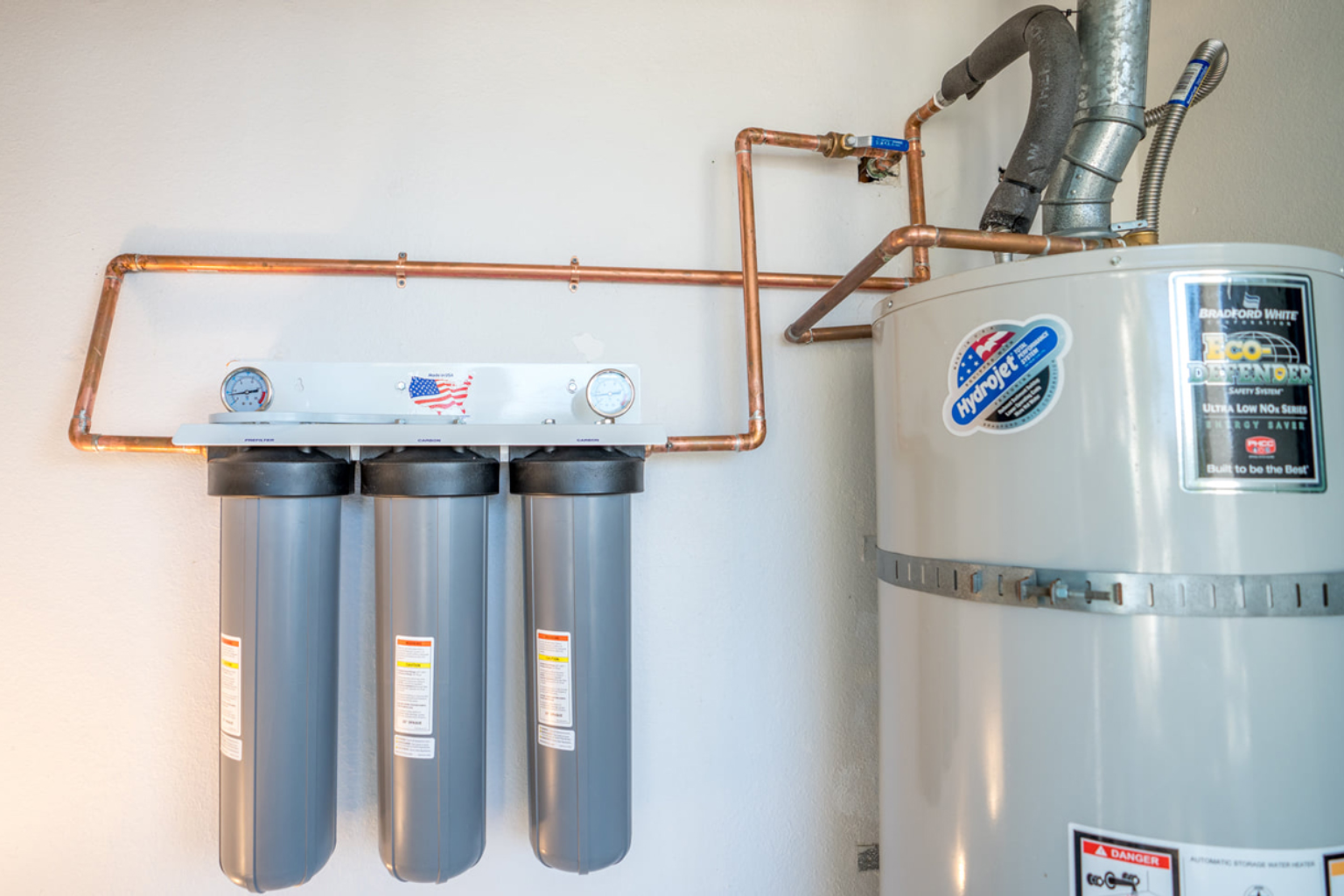
Installing a whole-house water filtration system or softener doesn’t just protect your pipes and appliances. It subtly signals that your home is well cared for. That thoughtfulness matters. Whether it’s for a growing family or a retired couple, buyers love knowing the place they’re about to invest in has been updated with essentials — not just cosmetics.
Eco-Friendly Homes: The New Curb Appeal
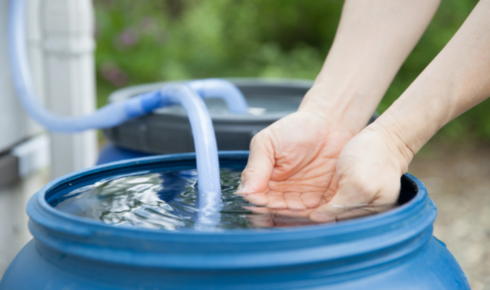
Curb appeal isn’t just about flower beds anymore. It’s solar panels that blend into the roofline. It’s rain barrels catching runoff by the side of the house. It’s garden beds mulched with compost instead of chemicals.
Buyers walk up to a home and immediately sense whether it’s efficient or wasteful. A well-insulated, naturally ventilated home with filtered air and efficient lighting just feels different. And more often than not, it becomes the deciding factor.
The Financial Upside of Doing the Right Thing
Here’s the thing. Adding value to your home through sustainability and smart upgrades isn’t just some moral victory — it’s smart business.
Energy-efficient homes often qualify for tax incentives or rebates. Water-efficient upgrades can slash monthly bills. And all those investments — clean water systems, solar panels, insulated windows — often yield returns in resale value, rental income, or just day-to-day comfort.
The gap between “what it costs” and “what it’s worth” gets smaller every year.
In Closing: Smart, Healthy, and Future-Ready
We’re living in a time where our choices — even the quiet ones — ripple out. Installing a filtration system. Planting native shrubs. Choosing energy efficiency over flash. These things matter more than they used to.
Because more and more, buyers aren’t just looking for a house. They’re looking for a lifestyle. A clean, efficient, and mindful one. A place where they can raise kids, host friends, and unwind — without worrying about what’s in the water or how high the next utility bill will be.
And that’s where the real value lies. Not in granite countertops or name-brand faucets, but in the thoughtful infrastructure beneath it all. In the systems that work quietly in the background. In the clean water you don’t have to think about. In the energy bills that don’t spike. In a sense of yes — this place just makes sense.
So next time you think about boosting your home’s value, think beyond the backsplash. Think green. Think water. Think smart.
Because sustainable living isn’t just good for the planet — it’s good for your home, your wallet, and the people who might one day fall in love with it.