There’s something incredibly underrated about turning on a tap and knowing the water is clean, safe, and good for your family. In a world filled with filters, gadgets, and DIY kits promising the moon, it’s easy to forget one simple truth—clean water isn’t just a luxury. It’s a need. And if you’re investing in a water treatment system, doing it right the first time is crucial.
But let’s be honest. Water systems aren’t exactly a hot dinner party topic. Most people don’t dive into chlorine levels, pipe compatibility, or backflow prevention over a glass of wine. And that’s fine. Because that’s where the pros come in.
Let’s talk about the why, the how, and the what-happens-if-you-don’t—because when it comes to water treatment system installation, cutting corners can cost you more than just money.
The DIY Temptation (And Why It’s Not Always the Best Idea)
There’s a sort of romantic appeal to doing things yourself, especially with all the YouTube videos and blog tutorials floating around. But water treatment systems aren’t Lego sets. They’re connected to your home’s plumbing, deal with varying water pressure, filtration technology, and often require permits, compliance checks, and technical know-how.
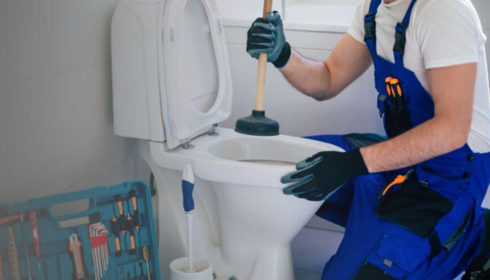
A misplaced filter, an improper seal, or even a wrong angle in the piping could cause slow leaks, reduce filtration effectiveness, or even damage your plumbing over time. The cost of repairing that damage? Usually way more than hiring a pro from the get-go.
This isn’t about fear-mongering—it’s about peace of mind. And that’s priceless when you’re dealing with something as essential as your family’s drinking water.
Understanding the Real Value of a Pro Touch
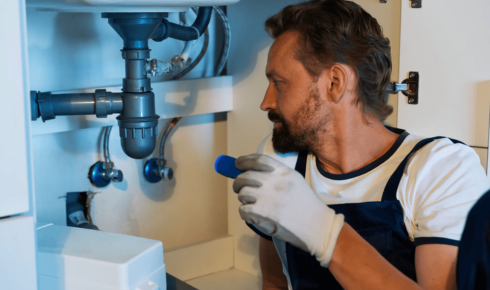
A seasoned technician isn’t just someone who shows up with a wrench and a smile. They bring experience, precision, and an understanding of local water quality challenges. Whether you’re dealing with hard water, high iron content, or mystery sediment, pros know how to evaluate your setup and recommend the right approach.
A water treatment system installation handled by someone trained doesn’t just protect your pipes—it ensures the equipment works at peak efficiency. It helps maintain warranties, prevents voiding manufacturer support, and guarantees that water flowing out of your tap meets the safety standards it’s supposed to.
And if something goes wrong? You’ve got a name and number to call—no finger-pointing, no stress.
What the Installation Process Really Looks Like
Let’s demystify it a bit. When you hire professionals, they don’t just slap a tank on your wall and call it a day.
They start with a water quality test. Not all water is created equal, and depending on your location, you could be dealing with anything from chlorine to lead, arsenic, nitrates, or bacteria. After that comes system selection, customized recommendations, and a step-by-step plan to install and calibrate every component for your specific needs.
You get things like secure plumbing integration, leak-proof connections, and long-term performance. And in most cases, a service agreement to cover future maintenance.
It’s like having an expert chef install your kitchen. Sure, you could probably do it yourself, but will it function the same? Will it last? Will it be up to code? Probably not.
Trusting the Right Hands
This part matters more than anything: who you choose to trust. Because not every contractor, plumber, or technician is created equal. Your water system isn’t a trial run. It’s a long-term investment that’s going to touch every bath you take, every meal you cook, every glass you pour.
That’s why you should always seek licensed water specialists. Credentials aren’t just a formality. They prove a technician has passed regulatory exams, undergone training, and meets state or regional compliance standards. In a market filled with cut-rate freelancers, credentials act like a safety net.
You wouldn’t hand over your health to an unlicensed doctor. Don’t hand over your water system to someone who doesn’t meet the same level of professional expectation.
Beyond the Tap: Health, Home, and Hassle-Free Living
What most people forget is that water affects everything—your hair, your skin, your appliances, your health. A well-installed system softens hard water, balances pH, filters out contaminants, and even extends the life of your dishwasher or coffee machine.
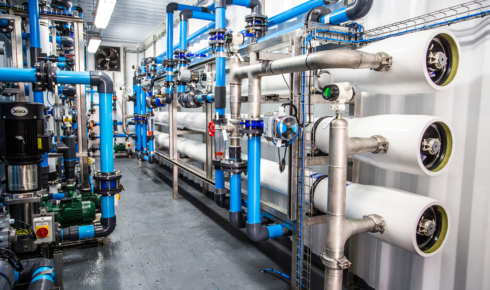
Let’s say you opt for reverse osmosis. If not properly installed, you risk membrane leaks, backflow contamination, or mineral bypass. That tiny issue could quietly undo the entire point of having a filtration system in the first place.
This is where professional installation services shine. They catch the things you wouldn’t know to look for. They spot the irregular pressure zones, account for pipe age, layout quirks, and water source variation. They work with your home, not against it.
The result? You don’t just get filtered water. You get better laundry, smoother showers, spotless dishes, and peace of mind—without fiddling with valves every weekend like it’s your new part-time job.
A Price That Pays Off Long-Term
Here’s the truth: a professional install might feel like a bigger bill upfront. But zoom out.
Over the next five to ten years, you’ll likely avoid:
- Expensive repairs
- System replacements
- Utility inefficiencies
- Contamination issues
- Appliance wear and tear
You’re not paying for pipes and fittings. You’re investing in long-term savings, comfort, and confidence. And when you add up the cost of “fixing what DIY broke”? The math usually favors the pros.
Wrapping It Up: Water Done Right
Water isn’t just water. Not anymore. With environmental changes, aging infrastructure, and urbanization, tap water can come with a host of invisible issues.
So if you’re thinking about a treatment system—good on you. That’s a smart, proactive move. But don’t let installation be an afterthought. That’s like buying a luxury car and letting your neighbor assemble the engine.
Let experienced hands handle it. Let it be done right the first time.
Because when it comes to your home and health, shortcuts rarely save you. And the right partner can make all the difference between a water system that works—and one that truly protects.