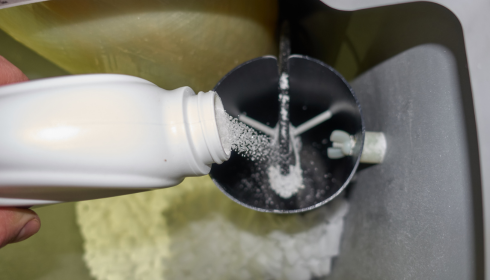
There’s a moment we all face when dealing with home maintenance—you’re standing over your water softener, bag of salt in hand, wondering if you’re about to overfill it, underdo it, or mess it up entirely. No lights blinking, no warning signs, just your brain quietly whispering, “How much salt am I supposed to put in this thing, anyway?“
If you’ve found yourself pausing mid-pour, you’re not alone. So let’s take a few minutes, breathe, and break it down in a way that actually makes sense. No tech-speak, no “call your installer” cop-outs. Just plain, useful info.
First of All: Why Salt Matters So Much
Water softeners don’t just run on salt for fun. They rely on salt to regenerate the resin beads that pull calcium and magnesium (aka “hard” minerals) out of your water. When those minerals build up in your pipes and appliances, you get scale, crusty faucets, dingy laundry, and a bunch of other headaches.
So, when your softener doesn’t have enough salt? It doesn’t work. It just… passes hard water through like nothing happened. You don’t want that.
But before you dump in an entire bag every time you peek inside, it helps to actually understand how much salt to put in water softener systems based on their size and setup.
The Sweet Spot for Salt Levels
Here’s the good news: water softeners aren’t as picky as they seem. Most household systems work best when the salt level is at least 3 inches above the water line inside the brine tank. If you can’t see any water (which is often the case between cycles), just make sure the salt level is about half to three-quarters full.
Now, you could go higher—but you don’t have to. Overfilling can lead to salt bridging (when a crust forms and blocks the salt from dissolving) or mushing (when the salt turns into a sludgy mess at the bottom). Neither one helps your system do its job.
So, next time you’re at that hardware store staring at a stack of 40-pound bags, wondering how much salt do you put in a water softener, remember: you’re aiming to keep the tank topped off enough to keep the brine strong, but not so much that it causes a clog.
How Often Should You Refill It?
Great question—and the answer depends on a few things:
- How hard your water is
- How many people live in your home
- How efficient your softener system is
- The size of your brine tank
Most households go through one 40-pound bag of salt every month. Larger homes or harder water may burn through that more quickly—maybe every two to three weeks. If you’re filling it weekly? That might mean a system setting is off.
Make a habit of checking the tank once a month. That’s usually enough to keep you ahead of any problems without being obsessive.
What About Brand New Systems?
If you’ve just installed a new unit or moved into a home with a water softener for the first time, it’s totally normal to feel unsure. You might be asking yourself, “How much salt do I put in my water softener the very first time?”
Start by filling it about halfway with salt. Don’t worry about getting it perfect on day one. Let the system run through a cycle, then check again in a few days. You’ll get a feel for how quickly your specific setup goes through salt. Over time, it becomes just another easy part of home upkeep—like changing the AC filter or replacing light bulbs.
And don’t worry—your softener won’t explode if you add a little too much salt once. It might just be a bit grumpy until you level it out again.
Some Handy Salt Tips from Folks Who’ve Been There
- Use pellet salt instead of rock salt. It dissolves more cleanly and leaves behind less gunk.
- Avoid bridging by stirring the tank occasionally. A broomstick works wonders for breaking up crusty buildup.
- Keep a spare bag nearby. Nothing’s worse than running out right before a busy week.
- Label your calendar for a salt check. It’s easy to forget—make it part of your monthly routine.
- Clean the brine tank once a year. A little rinse goes a long way in keeping your system healthy.
When Salt Alone Isn’t the Problem
Sometimes, people add salt regularly and still notice hard water signs. In that case, the issue might not be how much salt but whether the system is regenerating properly. Check the schedule, inspect the float valve, or call in a pro if things seem off.
And if you’re adding salt constantly but the tank always looks empty? You might have a leak, a drain issue, or an overly aggressive setting. These aren’t DIY disasters—but they’re worth getting fixed before your utility bill starts climbing.
Wrapping It All Up
At the end of the day, water softeners are one of those “set it and forget it” systems—until something feels off. And salt? It’s the secret sauce that keeps it running. Once you figure out the rhythm, you’ll barely think about it.
Just remember this: keep the tank at least half full, don’t let the water peek above the salt for too long, and check in once a month. That’s it.
So the next time you’re staring into that tank, unsure and slightly covered in salt dust, you can confidently answer your own question about how much salt to put in water softener tanks—and move on with your day.