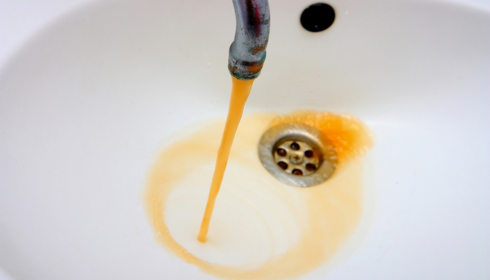
There’s nothing quite like sinking into a hot bath at the end of a long day. You light a candle, toss in a bath bomb, maybe even grab a book—and then you notice something strange. The water isn’t clear. It’s…orange?
Instant mood killer.
If you’ve found yourself staring at a tub full of orange bath water, you’re not imagining things—and you’re definitely not alone. It’s a frustrating (and weirdly common) issue, and chances are, it’s not about your tub being dirty. It’s about what’s in your water.
In this guide, we’re diving into why your bathtub might be turning orange, what those stains mean, how to safely remove them, and—maybe most importantly—how to stop it from happening again.
What’s Actually Turning Your Water Orange?
Let’s get right to it. That orange tint in your bathwater? It’s usually caused by iron in your water supply. When iron oxidizes (that’s science-speak for “mixes with air”), it turns that rusty reddish-orange color you’re seeing.
This is especially common if you’re on a well system or live in an area with naturally high iron content in the groundwater. City water isn’t immune either—it just depends on where your water is sourced from and how it’s treated.
The iron isn’t necessarily harmful to your health, but it is annoying. It stains your tub, can mess with your hair color, and makes your bathroom feel less like a spa and more like a rusty sinkhole.
But Why Is My Bathtub Turning Orange Too?
Here’s the deal: once that iron-rich water hits the surface of your tub, it begins to settle and stick. Over time, especially if you don’t rinse or wipe the tub regularly, it leaves behind those faint orange streaks that slowly deepen into stubborn stains.
These stains typically form around the drain, along the waterline, or anywhere water pools for too long. Fiberglass, enamel, and even acrylic tubs can all fall victim. And if you’ve got a slow drain or water that doesn’t dry quickly, the staining process happens even faster.
So if you’re wondering why your bathtub turning orange feels like a recurring nightmare, it’s probably due to iron-rich water combined with a bit of standing moisture.
Okay… So How Do I Clean It?
Let’s talk solutions. Scrubbing away rust-like stains isn’t fun—but it’s not impossible either. The trick is to use the right methods and not damage your tub in the process.
Here’s how to remove orange stains from bathtub surfaces effectively (and safely):
1. Start With Baking Soda and Vinegar
This DIY duo is gentle but powerful. Sprinkle baking soda directly onto the stained area. Spray white vinegar over the top and let it fizz for a few minutes. Scrub with a non-abrasive sponge or cloth, then rinse thoroughly. Repeat if needed.
2. Try Lemon Juice and Borax
Lemon’s acidity breaks down rust while borax adds grit. Mix into a paste, apply it to the stain, and let it sit for 20–30 minutes before scrubbing. It’s an easy, natural remedy that works surprisingly well on light to moderate staining.
3. Use a Rust-Specific Cleaner
Products like Bar Keepers Friend or Iron OUT are designed to break down mineral stains safely. Always check that the product is safe for your tub’s material. Avoid bleach—it doesn’t help with iron stains and could make things worse.
Avoid using metal scrubbers or harsh abrasives. They can scratch your tub’s finish, making it more prone to future staining.
What If It Keeps Coming Back?
Now that your tub is clean(er), let’s focus on the long game. Because the stains will return if you don’t address the root cause: your water.
Here’s what you can do:
- Install a Whole-House Water Softener or Iron Filter
These systems reduce or eliminate iron and other minerals at the source. They’re not cheap, but they’re a serious upgrade if orange water is a constant headache. - Flush and Inspect Your Water Heater
Sediment buildup in your water heater can also release rust and iron into your hot water supply. Flushing it annually helps keep things clean—and prolongs its lifespan too. - Dry Your Tub After Use
A quick wipe-down with a towel after each bath might feel excessive, but it makes a huge difference in preventing water from drying and leaving behind mineral deposits. - Use Bath Additives With Caution
Some bath bombs or soaks (especially clay-based or colored ones) can leave behind residue that clings to existing stains or even adds to them. Choose iron-free or water-softener-friendly products.
What About My Hair? (Bonus Tip)
If you’re noticing your blonde hair taking on a brassy tone after a bath or shower, it might be due to that same iron. Hard water and iron can actually mess with hair color and texture. A showerhead filter or whole-home filtration system can help preserve both your plumbing and your hair.
Wrapping It Up: Don’t Let Rust Rule Your Bathtub
Finding orange bath water in your tub might throw you for a loop the first time, but now you know it’s usually just iron doing its rusty thing. Not dangerous—but definitely annoying.
Between quick DIY stain removers and long-term solutions like filtration systems, you’ve got options. You don’t have to live with orange streaks, stained drains, or that nagging feeling that your tub just isn’t as clean as it should be.