
Starting a renovation or major property cleanup often feels exciting until the debris begins piling up. An old couch, broken cabinets, flooring scraps, and years of forgotten belongings can occupy more space than you’d initially imagine. Before long, your regular garbage containers are practically useless.
That’s where renting a roll-off dumpster makes sense. Having a dedicated container nearby allows you to manage waste as your project progresses rather than constantly worrying about disposal.
But which size should you choose? Renting too small a container could mean additional expenses, while paying for capacity you’ll never use isn’t particularly sensible either.
Understanding the differences between common dumpster sizes can help you make a practical, budget-friendly decision.
When a 20-Yard Dumpster Is the Right Choice
Not every renovation requires an enormous waste container. Many medium-sized projects generate a manageable amount of debris, provided you’ve planned accordingly.
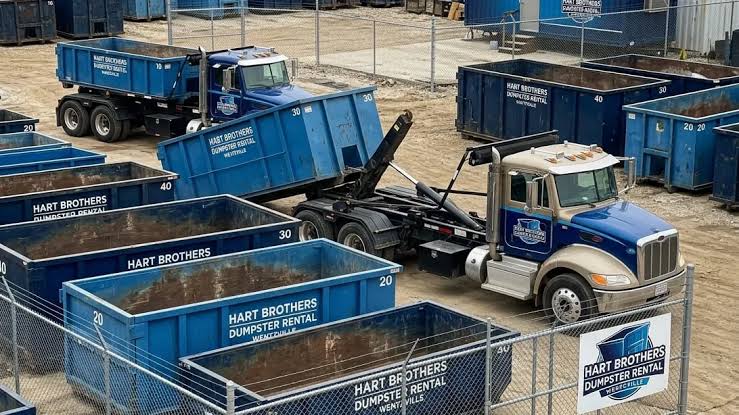
A 20-yard roll off dumpster is often a suitable choice for garage cleanouts, moderate home renovations, flooring removal, and smaller construction projects.
With approximately 20 cubic yards of volume, this container offers substantial capacity without necessarily occupying as much space as larger alternatives.
Imagine replacing the cabinets and flooring in an average-sized kitchen. Between demolition debris and packaging from new materials, you’ll probably generate quite a bit of waste. A container of this size may accommodate everything comfortably, depending on material weight and volume.
It’s particularly appealing for homeowners with limited driveway space.
However, always confirm the actual container dimensions and weight allowance with your rental provider before making a reservation.
Getting More Flexibility With a 30-Yard Container
Some projects have a tendency to grow once work gets underway. What begins as a straightforward remodeling job can quickly turn into a much more extensive undertaking.
A 30-yard roll off dumpster provides additional capacity for larger home renovations, estate cleanouts, commercial property improvements, and projects involving considerable amounts of bulky debris.
Offering 50 percent more volume than a 20-yard container, this option gives you additional breathing room when estimating waste becomes difficult.
For instance, clearing an entire house before putting it on the market may involve removing furniture, damaged fixtures, old carpeting, and miscellaneous belongings.
Having extra container space can prevent the inconvenience of arranging another rental midway through the cleanup.
Still, bigger isn’t automatically better. Consider whether your property can accommodate the container and whether the additional capacity justifies the expense.
Handling Major Projects With a 40-Yard Dumpster
Large construction sites and extensive commercial cleanouts require a different level of waste management. Ordinary containers can fill remarkably quickly when several workers are removing materials simultaneously.
A 40-yard roll off dumpster is a practical option for substantial construction projects, major demolitions, warehouse cleanouts, and extensive commercial renovations involving approved bulky materials.
Its larger capacity can reduce the need for frequent container exchanges when dealing with high-volume debris.
However, these dumpsters aren’t necessarily appropriate for every type of heavy material. Concrete, bricks, dirt, and similar debris may reach allowable weight limits well before the container is physically full.
Some disposal companies require smaller, dedicated containers for particularly heavy materials.
Discussing your project’s specific requirements beforehand helps you avoid expensive mistakes and ensures the selected equipment is suitable for the job.
Why Weight Matters Just as Much as Volume
It’s easy to look at an empty dumpster and assume you can fill every available inch. Unfortunately, waste disposal isn’t quite that simple.
A container filled with old furniture weighs considerably less than one containing the same volume of concrete.
Rental agreements typically include weight allowances, and exceeding those limits may result in additional charges. Certain materials may also be subject to specific loading restrictions.
Before booking, make a rough inventory of what you’ll be discarding.
If your renovation involves removing masonry, roofing materials, or other dense debris, mention that when requesting a quote.
A knowledgeable rental provider can recommend a container based on both material characteristics and estimated volume.
Preparing Enough Space for Dumpster Delivery
One detail people frequently overlook is where the dumpster will actually sit.
Larger containers require adequate placement space, along with sufficient clearance for delivery vehicles to maneuver safely.
Take a walk around your property before arranging delivery. Look for low-hanging branches, overhead cables, parked vehicles, narrow entrances, and uneven surfaces.
If you’re planning to place the dumpster on a driveway, discuss suitable surface protection with your provider.
For placements on public property, check whether local authorization is necessary.
These preparations don’t take particularly long, but they can prevent frustrating delays when the delivery truck arrives.
Understanding Rental Costs and Avoiding Unpleasant Surprises
Dumpster rental prices can vary according to container capacity, rental duration, debris type, and included weight allowances.
Ask whether the quoted price covers delivery, collection, and disposal. Find out how additional rental days and excess weight are charged.
Also, confirm which materials are prohibited. Batteries, chemicals, certain paints, and electronic equipment may require separate disposal arrangements.
It’s much easier to clarify these details beforehand than discover unexpected expenses after completing your project.
Choose the Container That Works for Your Project
Whether you’re tackling a household renovation or managing a substantial construction site, selecting the right dumpster comes down to understanding your actual disposal requirements.
Consider the volume and weight of your materials, available placement space, and overall project budget.
A properly sized container keeps waste organized and allows you to concentrate on getting the work done.
After all, the most satisfying part of any improvement project should be enjoying the finished result, not figuring out where to put everything you’ve torn out.